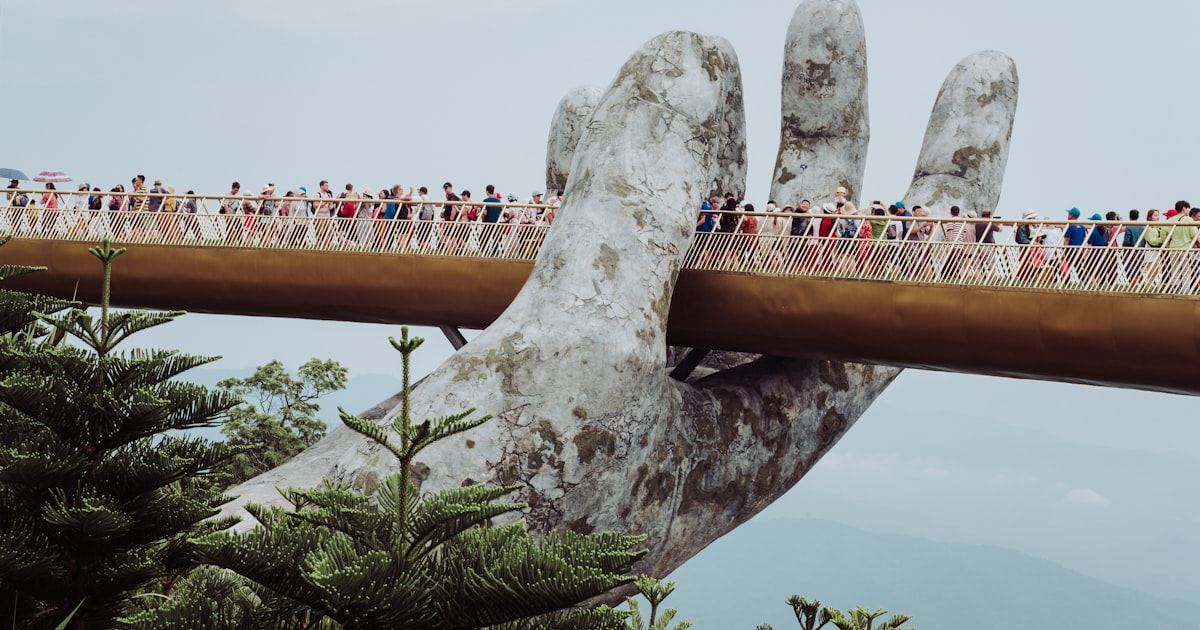
Vietnam has officially launched its 2026 Wellness Portfolio — a curated collection of travel experiences designed around health, mindfulness, and cultural immersion. For anyone planning a dental trip to Hanoi, this changes the equation. What was already a practical way to save money on dental care is now an opportunity to return home healthier than when you left.
What the 2026 Wellness Portfolio Actually Includes
The Vietnamese government is rolling out an integrated healthcare-tourism-wellness model as part of a broader national scheme running from 2025 to 2030. This is not a vague promotional campaign. Five pilot cities have been selected — Hanoi, Ho Chi Minh City, Da Nang, Quang Ninh, and Khanh Hoa — and each is developing infrastructure to support a new kind of visitor: one who travels not just for sightseeing, but for genuine physical and mental wellbeing.
The model combines hospital services, hotels, and resorts into coordinated packages. The first 10 to 15 high-tech service packages are currently being developed, covering everything from advanced health screenings to structured recovery programs. These are designed for international visitors who want medical-grade care wrapped in a travel experience that actually feels restorative.
Alongside the medical component, the portfolio features wellness experiences that Vietnam already does well: hot springs, mud baths, saunas, meditation programs, and spa retreats. The difference now is that these are being organized into coherent itineraries rather than left for tourists to piece together on their own.
Why Dental Tourists Should Pay Attention
If you are flying to Hanoi for dental implants, veneers, or crowns, you already have built-in downtime. After implant surgery, dentists recommend one to two days of rest before returning to strenuous activity. After crown preparation, you may wait two to three days for the permanent restoration to be fabricated. That waiting period is exactly the window the wellness portfolio is designed to fill.
Instead of sitting in a hotel room watching television, you could spend recovery days at a spa retreat, join a guided meditation session at one of Hanoi’s Buddhist temples, or take a gentle tai chi class by Hoan Kiem Lake. These are not just pleasant diversions — light activity and stress reduction genuinely support post-procedure healing.
This is an extension of what many dental tourists already do when they combine a holiday with dental treatment. The wellness portfolio simply makes it easier to find structured, high-quality options rather than improvising on the spot.
Hanoi’s Wellness Landscape
Hanoi is one of the five pilot cities for good reason. The city already has a deep tradition of wellness practices, and its infrastructure is catching up to match.
Traditional Vietnamese medicine. Hanoi is home to the National Hospital of Traditional Medicine and dozens of smaller clinics offering herbal treatments, acupuncture, and cupping therapy. These practices have centuries of history in Vietnam and are increasingly sought out by international visitors looking for alternatives or complements to Western medicine.
Hot springs and nature retreats. Ba Vi, roughly 60 kilometers west of central Hanoi, offers hot spring resorts surrounded by national parkland. A day trip or overnight stay provides a genuine escape from the city — mineral-rich thermal pools, forest walks, and clean mountain air. For someone recovering from dental work, it is a far better use of a rest day than most alternatives.
Temple meditation and tai chi. Hanoi’s Buddhist temples are not just tourist attractions. Many offer meditation sessions that are open to visitors. Early morning tai chi practice at Hoan Kiem Lake is a daily ritual for locals, and joining a group is free and welcoming. Both activities reduce cortisol levels and promote the kind of calm that supports recovery.
Spa culture. From affordable neighborhood spas to high-end hotel facilities, Hanoi has no shortage of options. Vietnamese-style massage tends to be thorough and reasonably priced, making it easy to incorporate regular sessions throughout a longer stay.
The Bigger Shift in Travel
Vietnam’s wellness portfolio reflects a broader global trend. Travellers are increasingly moving away from conventional leisure tourism — the kind built around bucket-list sightseeing and restaurant hopping — toward journeys that leave them feeling genuinely better. The Global Wellness Institute has tracked this shift for years, and Southeast Asia is positioned to benefit more than most regions because of the combination of low costs, warm climates, and existing wellness traditions.
For dental tourists specifically, this shift matters because it reframes the trip. You are not just flying abroad to get cheaper dental work. You are investing in a health-focused experience that happens to include dental care as one component. That distinction may sound like semantics, but it changes how you plan, how you spend your time, and how you feel about the trip afterward.
How to Build a Dental-Wellness Itinerary in Hanoi
A practical approach for someone planning dental work in Hanoi:
Days 1-2: Arrive and begin treatment. Have your initial consultation and any preparatory procedures. Use the evenings to explore Hanoi’s Old Quarter and settle in. Our clinics page lists vetted dental practices that are accustomed to working with international patients.
Days 3-4: Recovery and wellness. If you have had implant surgery or extractions, these are your rest days. Book a spa treatment, visit a traditional medicine clinic for an herbal consultation, or take a day trip to Ba Vi hot springs. Avoid anything that raises blood pressure or risks impact to the mouth.
Days 5-7: Explore and follow up. Return to the clinic for any follow-up appointments, crown fittings, or final checks. Spend the remaining time on cultural activities — Hanoi has no shortage of things to see and do, from the Temple of Literature to street food tours. Our guide on what Hanoi is famous for covers the highlights.
Days 8-10 (if needed): Extended wellness. For those with longer treatment timelines, consider a structured wellness retreat in one of the packages being developed under the national scheme. As these programs launch through 2026 and beyond, expect to see bundled options that include accommodation, wellness activities, and medical appointments in a single booking.
What to Expect Going Forward
The 2025-2030 national scheme is still in its early stages. The first pilot packages are being developed now, and it will take time for the full infrastructure to mature. But the direction is clear: Vietnam wants to be a destination where health and travel are not separate categories but a single integrated experience.
For dental tourists, this is unambiguously good news. The combination of affordable, high-quality dental care with a government-backed wellness ecosystem makes Hanoi an increasingly compelling destination — not just for the savings, but for the overall experience.
If you are considering dental work abroad, the calculus has shifted. Vietnam is no longer just a place to get cheaper treatment. It is becoming a place to get healthier.
Sources
- Vietnam National Administration of Tourism — 2026 Wellness Tourism Portfolio launch, curated wellness travel experiences across five pilot cities
- Vietnam Ministry of Health — National healthcare-tourism-wellness integration scheme 2025-2030, pilot medical tourism model combining hospital services, hotels, and resorts
- Global Wellness Institute — Trends in wellness tourism and the shift from conventional leisure to health-focused travel