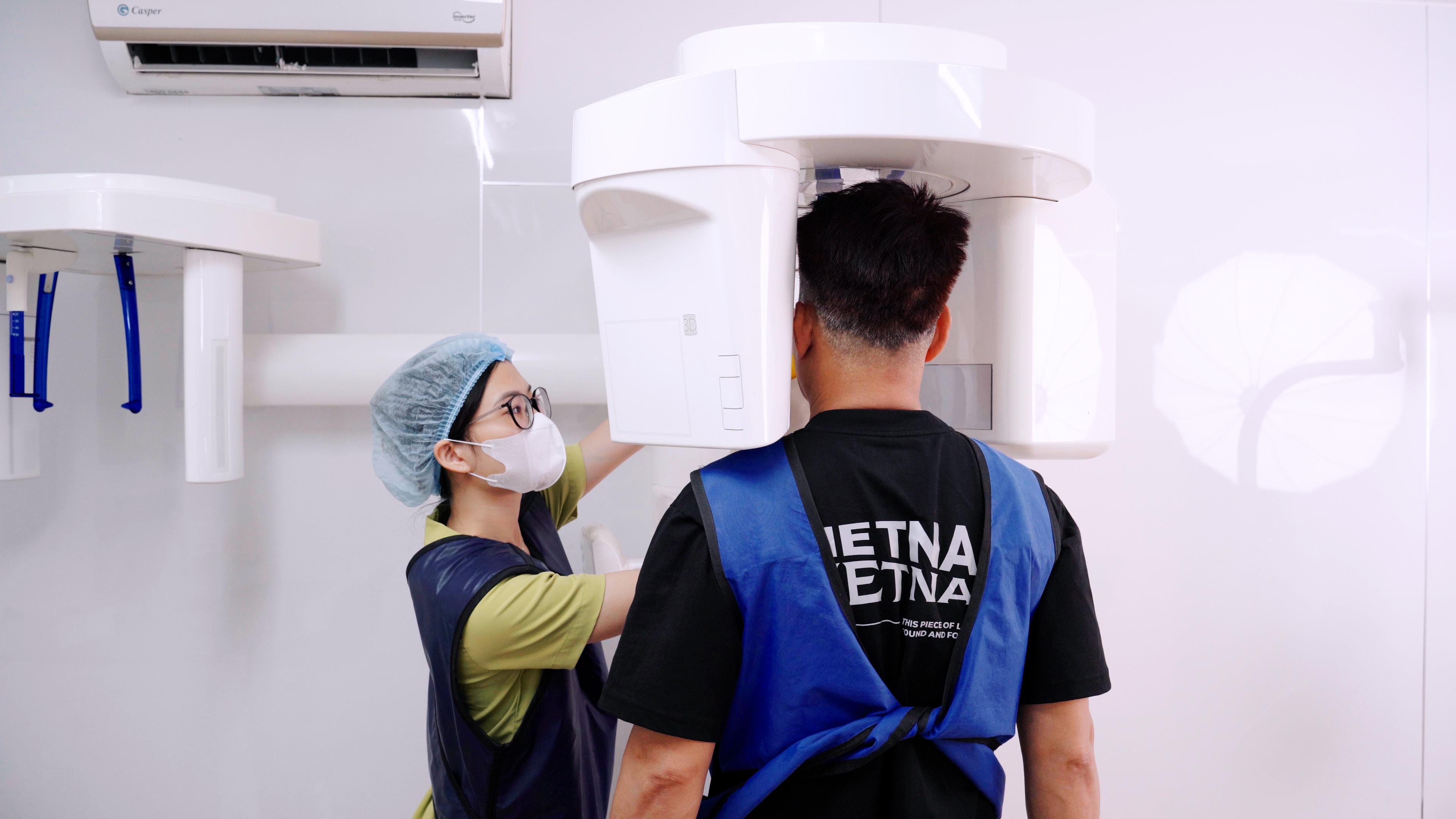
One unexpected advantage of having dental work done in Hanoi is that recovery eating is remarkably easy. Vietnamese cuisine leans heavily on broths, porridges, and silky noodles — and almost every street in the Old Quarter or Tây Hồ has exactly what your healing mouth needs, for a fraction of what you’d pay at home.
Why Hanoi Is a Great City to Recover In
Most dental-tourism cities put patients in a tricky spot: the local food is hard, spicy, or chewy, and “soft” means room service at hotel prices. Hanoi is different. Cháo stalls open before 6 a.m. Sinh tố (smoothie) shops are on every other corner. The default texture of Vietnamese cooking — slow-simmered, broth-heavy, served warm not scorching — matches dental-recovery guidelines almost perfectly.
The challenge is knowing which dishes to order, which to skip, and how to communicate your needs to vendors. That’s what this guide covers.
Phase 1 — Days 0 to 2: Liquids and Soft Foods Only
This is the most critical window. The surgical site is fragile, swelling peaks around hour 24–48, and anything crunchy, hot, or chewy risks disrupting the clot or implant site.
Best Hanoi Dishes for Phase 1
Cháo (rice porridge / congee) is your best friend. It is sold at dedicated cháo shops and most bún stalls as a side offering. A bowl costs $1–2. Ask for cháo trắng (plain) or cháo gà (chicken) and request it at room temperature (ăn nguội một chút — “let it cool a little”). Avoid versions with fried shallots or crispy toppings.
Sinh tố (fresh fruit smoothies) are brilliant in Hanoi. Mango, avocado, dragon fruit, and banana are all naturally soft and nutrient-dense. A 500 ml glass runs $1–1.50. The smoothie belt along Đinh Liệt Street in the Old Quarter and around Hồ Tây (West Lake) is dense with options.
Sữa chua (Vietnamese yogurt) is thicker and less sweet than commercial yogurt elsewhere. Plain sữa chua is available at most convenience stores (Circle K, GS25, Winmart) for $0.50–1 and is an excellent source of probiotics that support healing.
Pho broth without noodles — order nước phở không bánh (broth, no noodles) at any pho shop. Let it cool to warm. This gives you protein-rich collagen broth without anything to chew.
Cold tofu dishes — silken tofu with ginger syrup (tào phớ) is sold from street carts for around $0.50. It is soft enough to eat on day one and genuinely delicious.
What to Avoid in Phase 1
Skip anything hot, hard, crunchy, or requiring suction. That means no coffee, no hot tea, no iced drinks through a straw (after extractions), no bánh mì, no chè with hard toppings, no xôi.
Phase 2 — Days 3 to 7: Expanding to Soft Foods
Swelling is receding. You can introduce more texture, but chewing should still be gentle and on the opposite side from the surgical site.
Best Hanoi Dishes for Phase 2
Bún (thin rice vermicelli in broth) — the noodles are already soft enough to eat with minimal chewing. Bún bò Huế and bún riêu are both available throughout Hanoi. Slurp slowly rather than biting. Ask for well-cooked (chín kỹ) noodles. A bowl runs $1.50–3.
Bún riêu (crab and tomato rice noodle soup) is particularly good here because the crab paste and tomato broth are soft throughout. Avoid the fried tofu puffs in the first week if they feel too firm.
Trứng hấp (steamed egg) is a silky, savoury custard dish common at com binh dan (everyday rice) restaurants. It has almost no resistance and is high in protein. Ask for it lightly seasoned.
Soft tofu dishes — lau dau hu (tofu hotpot) or fried tofu in tomato sauce (dau phu sot ca chua) are widely available. The tomato-sauce version is especially easy to eat at this stage.
Soft rice with vegetables — plain steamed rice with stir-fried greens (rau muong xao toi, morning glory with garlic) is fine from day three onward if you chew carefully. Avoid any accompanying dishes with bone-in meat or tough textures.
Phase 3 — Week 2 and Beyond: Returning to Normal
By week two, most Vietnamese food is back on the table. The cuisine’s emphasis on fresh herbs, broth, and tender proteins means very little is off-limits.
Still Avoid
- Hard bánh mì crust — the outer crust requires significant biting force and can crack around implant sites. The soft interior is fine.
- Sticky xôi (glutinous rice) — the stickiness can pull at temporary crowns or healing tissue.
- Hard chè toppings — lotus seeds, dried beans, and jelly cubes vary in hardness; choose soft versions only.
- Pork knuckle and tough meats — giò heo (braised pork knuckle) looks soft but often requires real chewing force.
- Hard candy and popcorn — obvious but worth stating.
Where to Find Recovery Foods in Central Hanoi
| Area | What to Look For | Approx. Cost |
|---|---|---|
| Old Quarter (Hoàn Kiếm) | Cháo stalls on Lý Quốc Sư; sinh tố on Đinh Liệt; tào phớ carts near Hoan Kiem Lake | $0.50–2 |
| Tây Hồ (West Lake) | Smoothie cafés on Quảng An; bún riêu near Nhật Tân bridge; sữa chua at GS25 branches | $1–3 |
| Ba Đình | Com binh dan restaurants on Đội Cấn for trứng hấp and soft tofu; cháo gà on Ngọc Hà | $1.50–3 |
| Đống Đa | Bún shops on Tôn Đức Thắng; convenience stores on Láng Hạ for sữa chua and soft drinks | $1–2.50 |
Ordering Recovery Food on Grab
Grab Food is reliable across central Hanoi and lets you add order notes in English. Here is what to search by phase:
- Phase 1: Search “cháo”, “sinh tố”, “sữa chua”, “tào phớ”. Add note: “please no crunchy toppings, serve warm not hot.”
- Phase 2: Search “bún riêu”, “bún bò”, “trứng hấp”, “đậu phụ sốt cà chua”. Add note: “extra soft noodles please, no fried garnish.”
- Phase 3: Most searches are fine; add notes only if you are avoiding specific textures.
Filter by 4-star-plus ratings and choose restaurants with 500+ reviews for consistency.
Is Street Food Safe During Dental Recovery?
Yes — with conditions. Hanoi’s street food hygiene has improved significantly over the past decade, and liquid or soft dishes from busy, high-turnover stalls carry low risk. The main concerns during dental recovery are temperature (avoid scalding hot) and texture (avoid anything you cannot confirm is soft). If you cannot communicate your needs to the vendor, use Grab so you can write notes, or choose a sit-down restaurant where staff speak some English.
The clinics recommended on this site — including Picasso Dental Old Quarter and Australian Dental Clinic — all provide printed post-op diet sheets in English with specific Hanoi food examples.
Related Reading
- Hanoi Street Food After Dental Work — A Patient’s Guide
- What Food Is Hanoi Known For?
- How Long Should You Stay in Hanoi for Dental Implants?
- How Many Days Do You Need in Hanoi?
- Combine a Holiday with Dental Treatment in Vietnam
Sources
- Vietnam Ministry of Health — Post-Surgical Dietary Guidelines for Oral Procedures, 2024 edition.
- Hanoi Department of Tourism — Street Food Safety Standards Report, Q1 2025.
- Journal of Vietnamese Dental Association — Patient Recovery Outcomes in Outpatient Implant Surgery, Vol. 18, 2024.
- Grab Vietnam — Food Category Usage Data for Medical Tourism Corridor, Hanoi, 2025 (internal report summary cited in dental clinic patient materials).