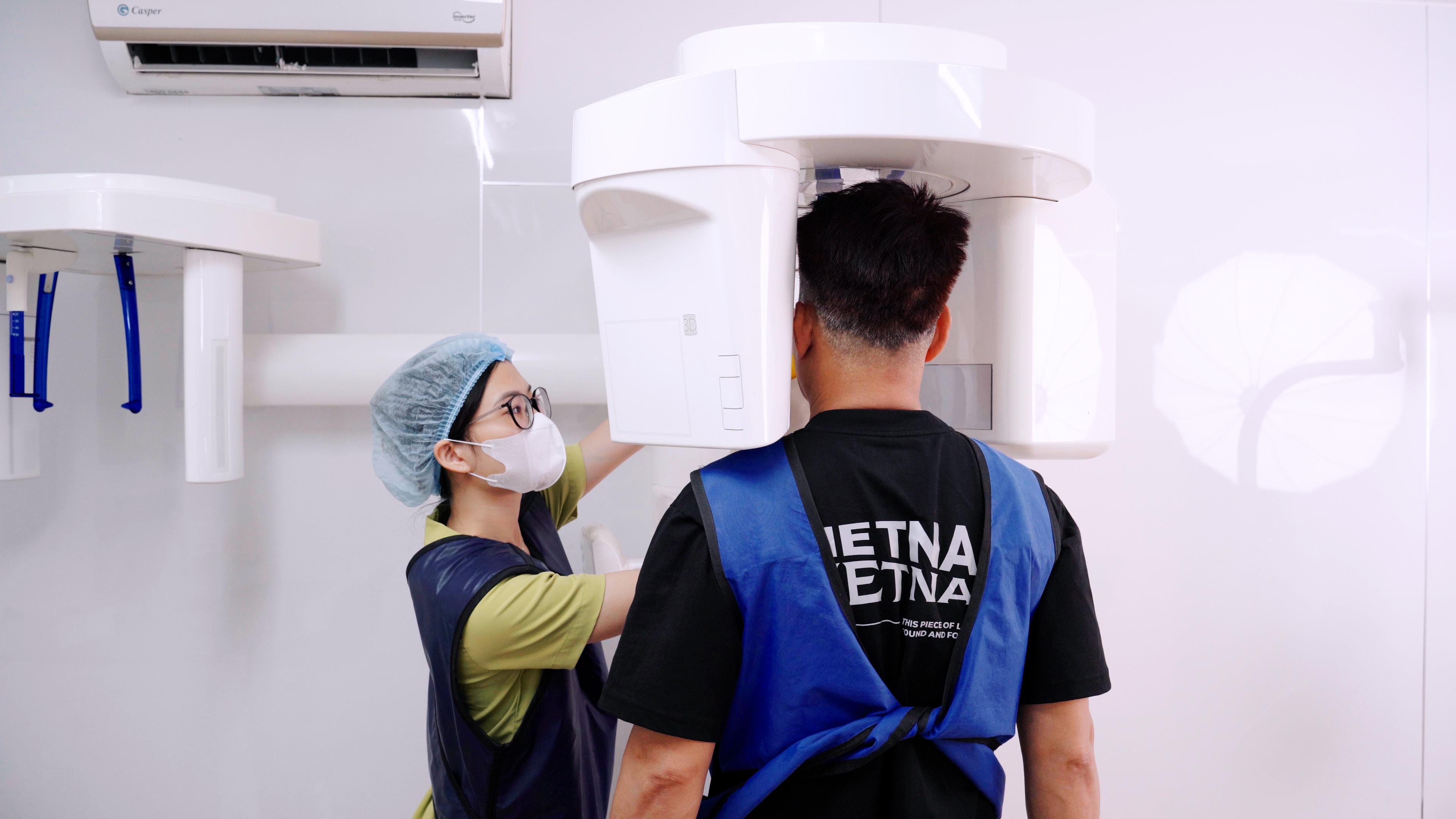
Planning a root canal while travelling Hanoi is more straightforward than it sounds — and at $80–$180 versus $1,200–$2,000 at home, the savings are hard to ignore. Here is an honest, day-by-day recovery guide so you know exactly what to expect and can plan your itinerary around it.
Day 0: The Procedure Day
Your mouth will be numb for 2–4 hours after the anaesthetic. Do not eat until full sensation returns — you risk biting your cheek or tongue without realising it.
Once feeling is back, expect a very mild, dull ache around the treated tooth. This is normal inflammation, not a sign of a problem. Take the evening easy. A bowl of cháo (Vietnamese rice congee) is the perfect first meal back — soft, warm, and available at street stalls everywhere in Hanoi for around 30,000–50,000 VND.
Avoid alcohol on day 0 and skip any plans that involve a lot of talking or physical exertion.
Days 1–2: The Peak Soreness Window
Soreness typically sits around 3–5 out of 10 during these two days. The tooth and surrounding gum feel tender, and biting down on the treated side is uncomfortable.
Ibuprofen 400mg is your best friend here. It is available over the counter at any Hanoi pharmacy for around 50,000 VND — no prescription needed. Take it with food every 6–8 hours as required. Paracetamol (500mg) can be alternated if you need additional relief.
Soft Diet for Days 1–2
Stick to foods that require minimal chewing and generate no pressure on the tooth:
- Cháo (Vietnamese congee) — plain or with egg, widely available
- Pho broth — sip the broth and let the noodles go very soft before eating
- Yogurt — sold at every convenience store and supermarket
- Tofu — silken tofu dishes are a staple at Hanoi lunch spots
- Scrambled eggs, mashed banana, smoothies
Foods to Avoid
- Crusty bánh mì — the baguette crust requires force that will aggravate the tooth
- Hard sweets and toffees
- Nuts, seeds, popcorn
- Very hot drinks directly after the procedure
- Chewing on the treated side generally
Days 3–5: Soreness Fades
Most patients notice a clear improvement by day 3. Tenderness drops to mild background sensitivity (1–2 out of 10) and you can return to most normal eating — just continue to favour the untreated side when biting into anything hard.
By day 5, the majority of dental tourists are comfortable enough to sightsee fully, walk the Old Quarter, and eat a normal Hanoi restaurant meal. Soft pho, bun cha, and steamed dishes are all fine.
If you had a temporary filling placed (common when the crown appointment is scheduled separately), avoid anything extremely sticky that might dislodge it.
Week 2: Crown Appointment
If your tooth requires a permanent crown — which is typical for molars and premolars treated with a root canal — your clinic will schedule this 7–14 days after the procedure.
Hanoi dental crowns cost $120–$280 depending on the material and clinic. Porcelain-fused-to-metal and full-zirconia options are both widely available. The crown appointment itself takes 1–2 hours and is painless. You can read more about the full root canal process at our treatment page.
This two-appointment structure is worth factoring into your trip length. Most dental tourists allow 10–14 days in Hanoi to cover both visits comfortably — plenty of time to explore the city between appointments.
1 Month: Full Recovery
By one month, the tooth is fully settled. The crown (if fitted) feels natural, and there is no residual sensitivity. No further follow-up is required unless you notice a problem.
Cost Comparison: Hanoi vs Home
| Location | Root Canal Cost | Crown Cost | Total Estimate |
|---|---|---|---|
| Hanoi, Vietnam | $80–$180 | $120–$280 | $200–$460 |
| United States | $1,200–$2,000 | $1,000–$1,800 | $2,200–$3,800 |
| Australia | $1,100–$1,800 | $1,500–$2,500 | $2,600–$4,300 |
Even accounting for flights and accommodation, most dental tourists save several thousand dollars on a combined root canal and crown trip to Hanoi.
Warning Signs to Watch For
The vast majority of root canals heal without complications. Contact your clinic immediately if you experience:
- Severe throbbing pain that worsens rather than improves after day 2
- Fever above 38°C
- Swelling spreading toward the jaw or neck
- The temporary crown or filling falling out and not being replaced promptly
These signs are uncommon but require prompt assessment. Reputable Hanoi clinics provide after-hours contact numbers for exactly this reason.
What to Do Between Appointments
The good news: a root canal recovery in Hanoi is genuinely compatible with light tourism. Days 1–2 are best spent resting, but from day 3 you can visit the Temple of Literature, stroll Hoan Kiem Lake, or take a day trip to Ha Long Bay without issue. If you’re wondering how to structure your time, our street food recovery guide covers which Hanoi dishes work perfectly around dental treatment.
Related Reading
- Hanoi Dental Prices 2026: Full Clinic Price Comparison
- Root Canal Treatment in Hanoi: What to Expect
- Best Street Food to Eat After Dental Work in Hanoi
- Is Dental Work in Vietnam Safe?
- How Many Days Should You Spend in Hanoi for Dental Treatment?
Sources
- Vietnam National Odonto-Stomatology Hospital — Patient aftercare guidelines for endodontic treatment, 2024.
- Hanoi Department of Health — Licensed dental facility registry and standard treatment fee schedule, 2025.
- Vietnam Tourism Authority — Medical tourism visitor data and treatment cost benchmarks, 2024.
- Journal of Vietnamese Stomatology — Post-endodontic recovery outcomes in outpatient settings, Vol. 18, 2023.