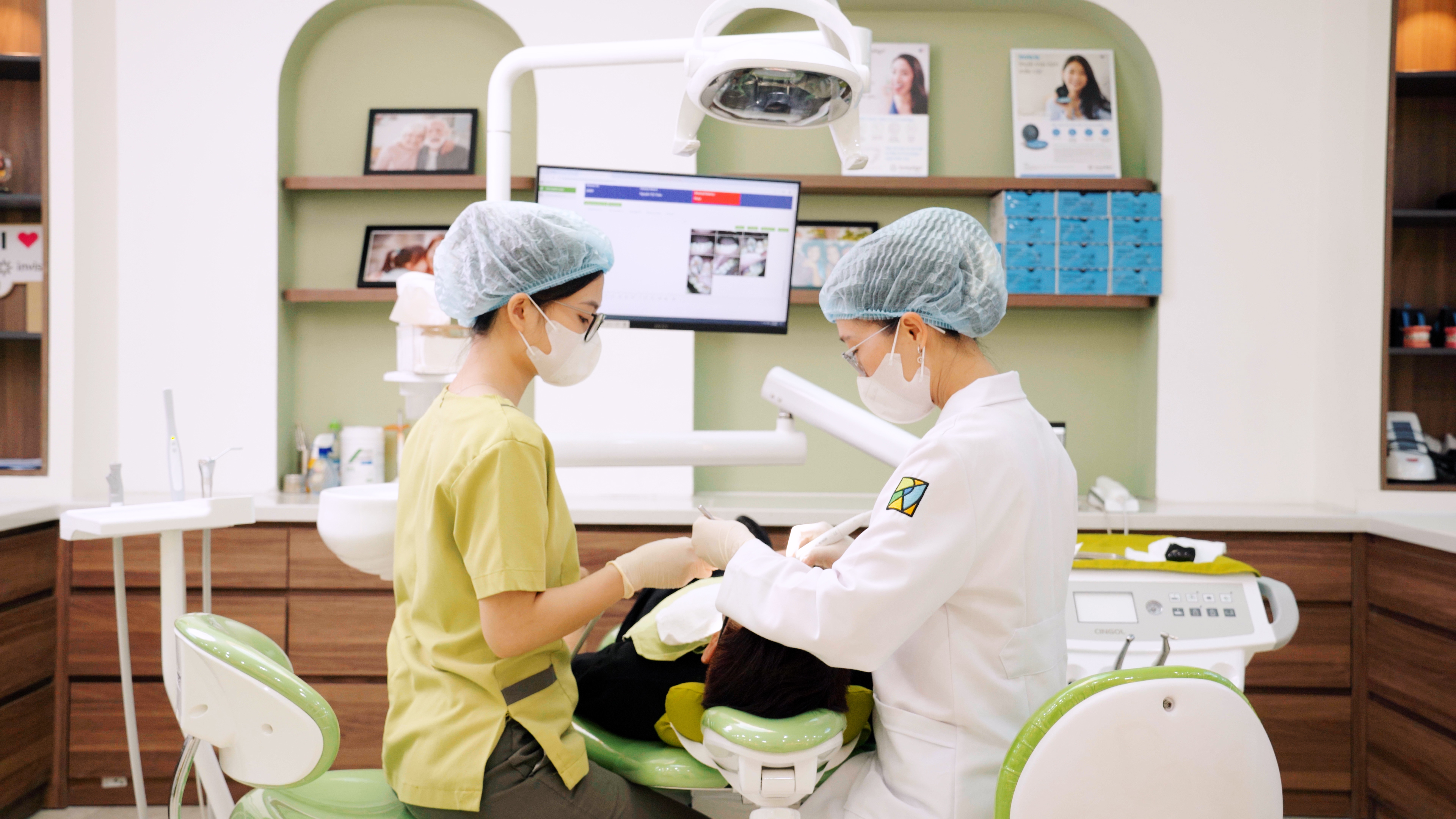
Getting dental implants abroad is one of the most common reasons people travel for dental care. The savings are significant – $2,000 to $30,000 depending on how many implants you need. But the question that holds most people back is safety.
The honest answer: dental implants abroad are safe, at the right clinic. And they carry risks at the wrong clinic. That is exactly the same as getting implants at home. The difference is that abroad, you need to do more of the vetting yourself rather than relying on local reputation and referrals.
Here is what you need to know.
Why People Get Dental Implants Abroad
The math is simple. A single dental implant costs $3,500-$6,500 in Australia, the US, or the UK. The same implant – same brand, same procedure – costs $600-$1,800 in Vietnam. For patients needing multiple implants or full-arch restorations, the savings can fund the entire trip several times over.
But savings mean nothing if the work is unsafe. So let us address the safety concerns directly.
The Real Risks (and How to Manage Them)
Risk 1: Unqualified Dentists
The concern: Some clinics may use inexperienced dentists for complex implant procedures.
How to manage it: Research the specific dentist who will perform your surgery. Check their qualifications, years of experience, and whether they have specialist training in implantology. In Hanoi, clinics like Picasso Dental and Westcoast International Dental have named, credentialed implant specialists.
Risk 2: Inferior Implant Brands
The concern: Some clinics use cheap, unbranded implants instead of established systems.
How to manage it: Ask which implant brand will be used before committing. Reputable brands include Straumann, Nobel Biocare, Osstem, and Dentium. Insist on seeing the sealed implant packaging and getting an implant certificate with the serial number after placement.
Risk 3: Inadequate Imaging and Planning
The concern: Implants placed without proper 3D imaging can damage nerves, sinuses, or adjacent teeth.
How to manage it: Any clinic placing dental implants must have a CBCT scanner. This is non-negotiable. If a clinic does not have one, do not get implants there. All six clinics in our Hanoi guide have CBCT capability.
Risk 4: Complications After Returning Home
The concern: If something goes wrong after you fly home, you cannot easily return.
How to manage it: Choose a clinic with clear warranty terms. Get everything in writing. Keep your implant certificate. Most post-operative issues can be assessed remotely via photos and X-rays, and minor complications can be managed by a local dentist at home.
Risk 5: Infection Control
The concern: Sterilization and hygiene standards may be lower abroad.
How to manage it: Visit the clinic before committing to treatment. Look for autoclave sterilization, disposable instruments where appropriate, clean treatment rooms, and proper barrier protocols. International-facing clinics in Hanoi maintain standards comparable to Western practices.
What Makes a Safe Implant Clinic?
A checklist for evaluating any clinic abroad:
- CBCT scanner on-site (mandatory for implants)
- Named implant specialist with verifiable credentials
- Recognized implant brands (Straumann, Nobel, Osstem, Dentium)
- Written treatment plan before surgery
- Clear warranty policy (5-10 years is standard)
- Implant certificate provided after placement
- English-speaking staff who explain the procedure clearly
- Positive reviews from international implant patients
- Proper sterilization protocols visible in the clinic
Dental Implants in Hanoi: A Proven Destination
Hanoi has established itself as one of Vietnam’s primary destinations for dental implant tourism. The city offers several advantages:
Trained specialists. Hanoi is home to Hanoi Medical University, one of Vietnam’s top dental schools. Many implant dentists in Hanoi completed their specialist training there before pursuing further education in Japan, South Korea, or Europe.
Full brand range. Hanoi clinics offer implants from Korean (Dentium, Dio, Osstem) to Swiss (Straumann) and Swedish (Nobel Biocare) brands. See our implant savings guide for prices by brand.
Established clinics. Westcoast International Dental has over 20 years of experience with international patients. Picasso Dental and Australian Dental Clinic also have strong implant track records.
Recovery environment. Hanoi’s food scene provides excellent soft food options during recovery, and the city’s cultural attractions offer gentle activities between appointments.
The Bottom Line
Dental implants abroad are safe when you choose the right clinic. The vetting process requires more effort than choosing a local dentist at home, but the savings – $2,000 to $30,000 – justify that effort.
Focus on the clinic, not the country. A well-equipped clinic with trained specialists and recognized implant brands will deliver results comparable to any Western practice. In Hanoi, multiple clinics meet this standard.
For clinic comparisons, see our top 6 Hanoi clinics guide. For pricing, visit our dental implant savings breakdown.
Find verified implant clinics on SmileJet
Frequently Asked Questions
What is the success rate of dental implants abroad?
At reputable clinics abroad, the success rate for dental implants is 95-98%, comparable to Western countries. The success rate depends on the clinic’s experience, the implant brand used, and proper patient selection – not the country where the procedure is performed.
What should I check before getting dental implants abroad?
Check the dentist’s credentials and implant experience, the implant brand being used, whether the clinic has CBCT scanning, patient reviews from international patients, warranty terms, and infection control protocols.
What if my dental implant fails after I return home?
Reputable clinics provide warranties of 5-10 years. Contact the clinic for remote assessment with photos and X-rays. Minor issues can often be managed locally. Keep your implant certificate with the serial number.
How do I choose a safe clinic for dental implants abroad?
Research extensively: read international patient reviews, verify dentist credentials, confirm CBCT scanning capability, check implant brands, and ensure English-speaking staff can explain your treatment. Platforms like SmileJet verify clinics for you.
Is Vietnam a good country for dental implants abroad?
Yes. Vietnam, particularly Hanoi, has a growing number of clinics meeting international standards. Vietnamese dentists complete 6-year training programs, and leading clinics use globally recognized implant brands at 60-80% lower prices than Western countries.
Related reading:
- Is Dental Work in Vietnam Safe?
- Dental Implant Savings in Vietnam
- How Long to Stay in Hanoi for Dental Implants
- Best Country for Dental Tourism
Sources
- International Journal of Oral & Maxillofacial Implants – Implant Survival Systematic Reviews – peer-reviewed data on dental implant success rates globally (95-98%)
- FDI World Dental Federation – Patient Safety – international guidelines for dental practice safety and patient rights
- WHO Oral Health Programme – global oral health safety standards and provider qualifications
- Medical Tourism Association – Patient Guide – best practices for evaluating clinics abroad and managing post-treatment follow-up