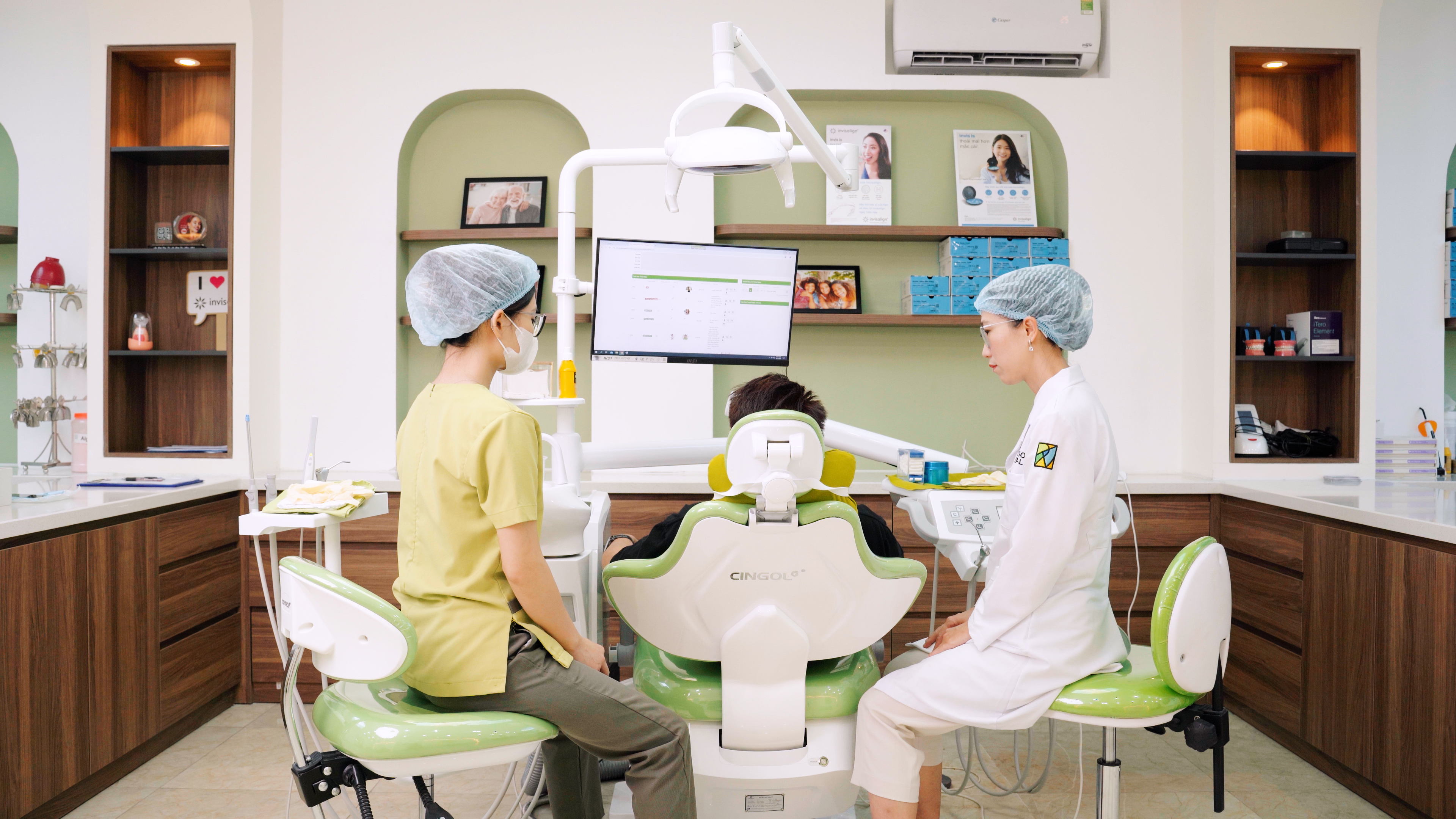
This is the question that stops most people from booking dental work in Vietnam. You have seen the prices – 60-80% cheaper than the US, UK, or Australia – and your first thought is that something must be wrong. Cheap dentistry cannot be good dentistry, right?
The reality is more nuanced. Vietnam has both excellent dental clinics and poor ones, just like every country. The difference is that even the excellent ones charge a fraction of Western prices because of lower operating costs, not lower quality. The key is knowing how to identify the good clinics and avoid the bad ones.
Here is what international patients should actually know.
Why Vietnamese Dental Care Is Cheaper (Without Being Worse)
The price gap between Vietnamese and Western dental care is not a quality gap. It is an economics gap.
Labor costs. A skilled dentist in Vietnam earns a good local salary but a fraction of what a dentist earns in the US or Australia. This does not reflect their competence. It reflects the cost of living in Vietnam.
Rent and overhead. Clinic rent in Hanoi is dramatically lower than in Sydney, London, or New York. A modern clinic in a prime Hanoi location costs a fraction of what equivalent space costs in a Western city.
Lab costs. Dental labs in Vietnam produce high-quality crowns, bridges, and prosthetics at much lower labor costs. Many use the same CAD/CAM technology and materials as Western labs.
Insurance and litigation. The malpractice insurance and legal costs that inflate Western dental prices barely exist in Vietnam. This is a double-edged sword but it significantly reduces the cost of doing business.
No insurance middlemen. Vietnamese dental clinics price their services directly. There is no insurance billing department, no coding specialists, no negotiation with insurance companies. You pay the clinic directly.
Vietnamese Dentist Training Standards
This is where many people have misconceptions. Vietnamese dental training is rigorous.
Six-year program. Vietnamese dentists complete a 6-year Doctor of Dental Surgery (DDS) degree, which combines medical and dental education. This is longer than dental training in many countries where a 4-year program follows a separate undergraduate degree.
Top universities. Hanoi Medical University and the University of Medicine and Pharmacy in Ho Chi Minh City (UMP) are the two flagship institutions. Both have competitive admissions and produce well-trained graduates. Hanoi Medical University has partnerships with Japanese, Korean, and Australian universities for exchange programs and continuing education.
Specialist training. Beyond the 6-year degree, specialists in implantology, orthodontics, prosthodontics, and endodontics complete additional residency programs. Many dentists at international-facing clinics pursue post-graduate training abroad.
Continuing education. The best clinics in Vietnam invest heavily in continuing education. Dentists regularly attend international conferences and training programs in Japan, South Korea, Germany, and the US. In Hanoi, clinics like Picasso Dental and Westcoast International Dental have dentists with international fellowship credentials.
International-Standard Materials and Brands
A legitimate concern is whether clinics use genuine, branded materials or cheaper alternatives. At quality clinics, the answer is clear: they use the same brands you would find in any Western clinic.
Implant Brands Used in Vietnam
- Straumann (Switzerland) – considered the gold standard globally. Available at premium Hanoi clinics including Picasso Dental and Westcoast International Dental.
- Nobel Biocare (Sweden) – another top-tier implant system with decades of clinical research.
- Osstem (South Korea) – the most widely used implant brand in Asia, with strong clinical evidence and significantly lower cost than European brands.
- Dentium (South Korea) – popular in Vietnam for its reliability and competitive pricing.
- Neodent (Brazil/Straumann group) – a mid-range option with good performance data.
Crown and Veneer Materials
- E.max (Ivoclar Vivadent) – premium lithium disilicate ceramic for natural-looking crowns and veneers
- Zirconia – high-strength ceramic used for crowns and bridges, available in multiple grades
- CAD/CAM fabrication – digital design and milling for precise fit, available at clinics like Picasso Dental
How to Verify Materials
Ask your clinic these questions before treatment:
- What brand of implant will you use? Can I see the packaging?
- What type of ceramic is the crown or veneer made from?
- Do you have a certificate of authenticity for the implant?
- Which dental lab fabricates your crowns?
Reputable clinics will answer these questions without hesitation. They may even show you the implant certificate with the serial number.
What Makes a Good Clinic in Vietnam?
Equipment Checklist
- CBCT scanner – essential for implant planning. If a clinic places implants without a CBCT scan, walk away.
- Digital X-rays – standard at any modern clinic
- Intraoral scanner – for digital impressions (better accuracy than traditional molds)
- Autoclave sterilization – should be visible and functioning
- CAD/CAM system – for in-house crown fabrication (not essential but a quality indicator)
Staff and Communication
- Named dentists with listed qualifications
- English-speaking staff (critical for understanding your treatment plan)
- Willingness to explain procedures in detail
- Written treatment plans before any work begins
- Clear pricing with no hidden fees
Clinic Standards in Hanoi
Hanoi has a distinct advantage as Vietnam’s capital city: the concentration of top dental talent is higher here than in smaller cities. Many of Vietnam’s best-trained dentists practice in Hanoi, where they have access to the best facilities, labs, and continuing education opportunities.
The six clinics in our Hanoi clinic comparison all meet the equipment and communication standards listed above. Westcoast International Dental has over 20 years of verified patient history. Australian Dental Clinic follows Australian infection control protocols. Picasso Dental has CBCT, CAD/CAM, and internationally trained specialists.
Red Flags to Watch For
Not every clinic in Vietnam meets international standards. Here is what should make you walk away:
- No CBCT scan before implant placement – this is a non-negotiable safety requirement
- Unnamed dentists – if the clinic will not tell you who is performing the procedure, something is wrong
- Pressure to start treatment immediately – reputable clinics give you time to consider your options
- Dramatically lower prices – if one clinic is 50% cheaper than all others, ask why. The answer is usually inferior materials.
- No written treatment plan – you should receive a detailed plan with itemized costs before any work begins
- Refusal to disclose implant brand – this often means generic or counterfeit implants
- No warranty – legitimate clinics back their work with written warranties
Patient Safety: What Vietnam Does Well
Vietnam’s dental industry has invested heavily in modernization over the past decade. The results are visible:
- Modern facilities – new clinic buildings with proper ventilation, lighting, and sterile zones
- Technology adoption – Vietnamese clinics often adopt new dental technology faster than conservative Western practices
- Competitive training – dental school admissions are highly competitive, producing motivated, skilled graduates
- International partnerships – many clinics partner with Japanese, Korean, and European suppliers and training programs
What to Do Before Your Trip
- Get a diagnosis at home first. Know what treatment you need before you travel.
- Research clinics thoroughly. Read reviews from international patients, not just star ratings.
- Send your records ahead. Email X-rays and dental history to your chosen clinic for a preliminary treatment plan.
- Get an itemized quote. Compare quotes from 2-3 clinics. Use SmileJet to streamline this process.
- Confirm the dentist. Know who will perform your procedure and check their credentials.
- Understand the warranty. Get warranty terms in writing before treatment begins.
The Bottom Line
Based on the Hanoi Dental Guide’s research, dental work in Vietnam is safe – at the right clinic. The quality gap that people worry about is not between Vietnam and the West. It is between good clinics and bad clinics, and that gap exists in every country.
In Hanoi, you have access to clinics like Picasso Dental, Westcoast International Dental, and Australian Dental Clinic that use the same materials, brands, and techniques as their Western counterparts. The difference is the price tag. A Straumann implant placed by an internationally trained dentist in a CBCT-equipped Hanoi clinic costs $1,200-$1,800. The same implant in Sydney costs $4,000-$6,500. Same implant. Same technique. Different cost of living.
Do your research. Choose wisely. And you will get excellent dental care at a fraction of the price.
Find verified Hanoi dental clinics on SmileJet
Frequently Asked Questions
Are Vietnamese dentists properly trained?
Yes. Vietnamese dentists complete a 6-year Doctor of Dental Surgery program at accredited universities, which is longer than the training in many Western countries. Top universities include Hanoi Medical University and the University of Medicine and Pharmacy in Ho Chi Minh City. Many dentists at international-facing clinics also pursue additional training in Japan, South Korea, Germany, or the US.
Do Vietnamese dental clinics use the same implant brands as Western countries?
Yes. Leading Vietnamese dental clinics use internationally recognized implant brands including Straumann (Switzerland), Nobel Biocare (Sweden), Osstem and Dentium (South Korea), and Neodent (Brazil). These are the same brands used in clinics worldwide. Always ask which brand will be used and verify it is a reputable manufacturer.
What should I look for when choosing a dental clinic in Vietnam?
Look for clinics with CBCT and digital X-ray equipment, visible sterilization protocols, named and credentialed dentists on their website, transparent pricing, patient reviews from international patients, and the use of recognized implant and material brands.
What are the red flags for dental clinics in Vietnam?
Red flags include prices dramatically lower than other clinics, no named dentists on the website, reluctance to show credentials or equipment, no digital imaging equipment, pressure to commit to treatment immediately, no written treatment plan or warranty, and clinics that refuse to disclose which implant brand they use.
Is it safe to get dental implants in Vietnam?
Yes, when you choose a reputable clinic. Vietnam has a growing number of clinics that meet international standards for implant dentistry, with proper imaging equipment, trained implantologists, and genuine branded implants. The success rate at quality Vietnamese clinics is comparable to Western clinics.
What happens if something goes wrong with dental work done in Vietnam?
Reputable clinics provide warranties on their work, typically 5-10 years for implants and 3-5 years for crowns and bridges. If a problem arises after you return home, contact the clinic for guidance. Some issues can be assessed remotely with photos and X-rays. Platforms like SmileJet help patients access clinics with verified warranty policies.
Related reading:
- Top 6 Dental Clinics in Hanoi
- Hanoi Dental Prices 2026
- Is It Safe to Get Dental Implants Abroad?
- Dental Implant Savings in Vietnam
Sources
- WHO Oral Health Fact Sheet – global standards for oral health care delivery and safety
- FDI World Dental Federation – Standards and Guidelines – international dental practice standards and infection control protocols
- International Journal of Oral & Maxillofacial Implants – peer-reviewed evidence on implant success rates and brand clinical performance
- Hanoi Medical University – information on Vietnam’s leading dental training program and curriculum standards
- Medical Tourism Association – patient safety guidelines and clinic evaluation frameworks for dental tourism