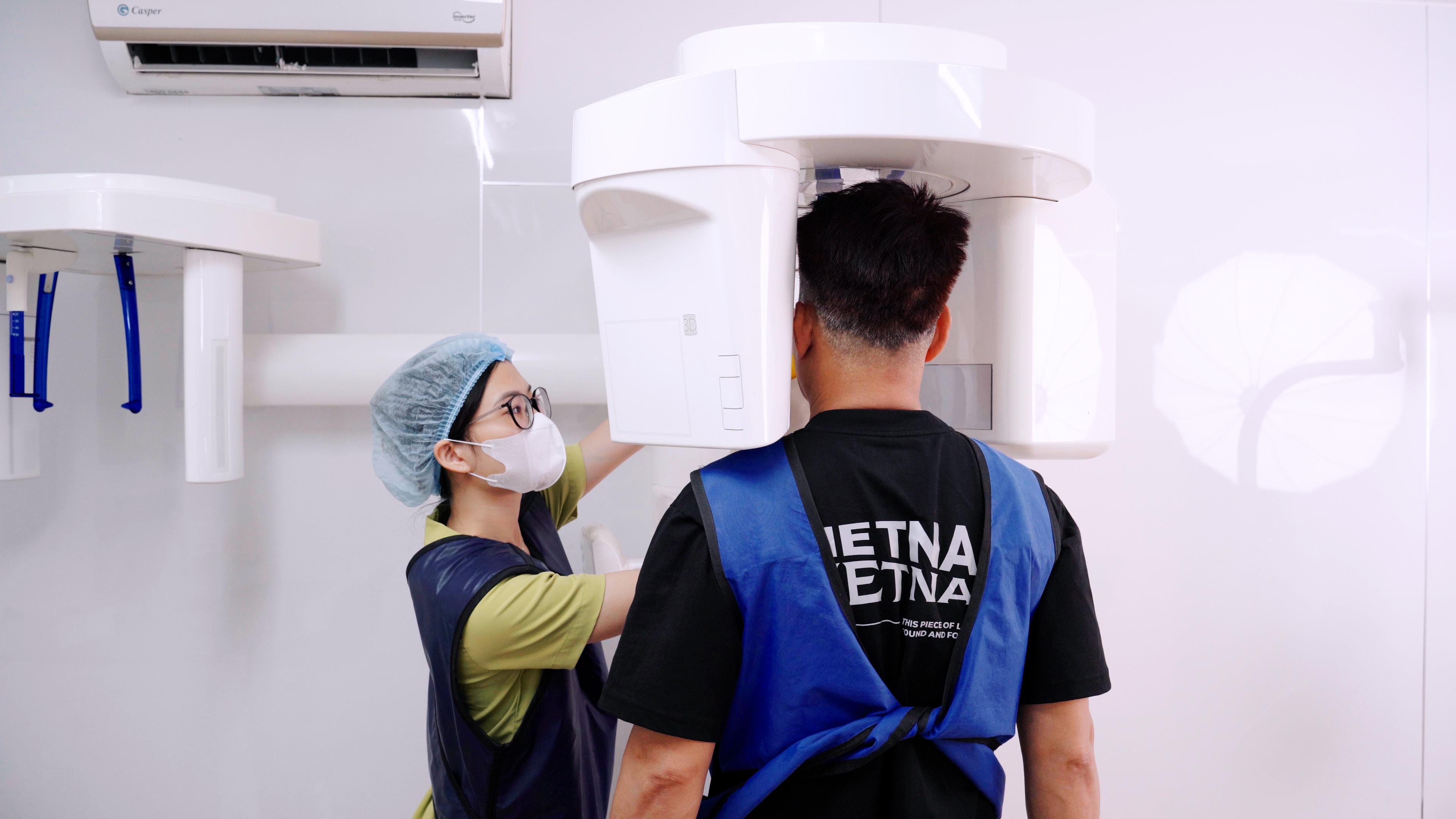
Hanoi is the entry point for most dental tourists visiting northern Vietnam, but a short flight south opens up one of the country’s most compelling destinations: Hue, the former imperial capital. Whether you have a 48-hour gap between appointments or simply want to extend your trip, Hue rewards the detour.
Getting from Hanoi to Hue
By Plane (Recommended for Dental Trips)
Flying is the clear choice if your schedule is tight. The Hanoi–Hue route takes 1hr 10min direct from Noi Bai Airport (HAN) to Phu Bai Airport (HUI). All three major domestic carriers — Vietnam Airlines, Bamboo Airways, and Vietjet — operate the route daily.
One-way fares: $30–$80, depending on lead time and airline. Book through the airline apps directly for the best prices.
By Train (Scenic, Budget-Friendly)
The Reunification Express overnight sleeper is the romantic option. Journey time is 12–14 hours, with soft sleeper berths from ~$25 one-way. You leave Hanoi in the evening and wake up in Hue — no hotel night wasted. The coastal scenery through Nghe An and Ha Tinh is genuinely beautiful if you travel during daylight.
This works well during longer treatment gaps, such as the osseointegration waiting period for dental implants.
By Bus / Open Ticket
Budget operators run the same 12–14 hour route from under $15. Comfortable enough, but the flight price gap is small enough that most dental tourists skip this option.
| Transport | Journey Time | Cost (one-way) | Best For |
|---|---|---|---|
| Plane | 1hr 10min | $30–$80 | Tight dental schedules |
| Train (sleeper) | 12–14hrs | ~$25 | Longer gaps, scenic travel |
| Bus | 12–14hrs | $10–$15 | Strict budget travel |
What to Do in Hue
Imperial Citadel (Đại Nội)
The centrepiece of any Hue visit. This 19th-century UNESCO-listed walled palace complex — modelled loosely on Beijing’s Forbidden City — housed the Nguyen emperors until 1945. Budget 2–3 hours to walk the grounds, throne halls, and restored pavilions. Entry is ~$9.
Royal Tombs
The Nguyen emperors built their mausoleums in the pine-forested hills south of the city, and each is architecturally distinct. Minh Mang, Khai Dinh, and Tu Duc are the three most visited. Khai Dinh is the most visually striking — a gothic-influenced hilltop structure covered in mosaic tile. Hire a motorbike (easiest), join a half-day tour, or hire a xe om driver for the circuit.
Thien Mu Pagoda
Hue’s most iconic image: a 7-storey octagonal tower rising above the Perfume River. Entry is free, the atmosphere is serene, and the traditional boat ride from the city takes about 10 minutes. A good half-morning trip before or after the citadel.
Hue Cuisine
Hue is widely considered Vietnam’s most sophisticated regional food culture — historically the imperial kitchen set the standard. For dental tourists, the good news is that the city’s signature dishes are gentle on teeth.
Must-try dishes:
- Bún bò Huế — spicy, lemongrass-forward beef noodle soup, softer than pho noodles
- Bánh bèo — delicate steamed rice-flour cakes topped with dried shrimp and scallion oil
- Cơm hến — tiny baby clam rice with herbs and a light broth
All three are soft, broth-based, or small-bite dishes — excellent choices during recovery after veneers or a crown procedure.
How to Fit Hue into a Dental Trip
The timing question answers itself once you map your treatment schedule. Most Hanoi dental procedures involve a 3–5 day wait while a lab fabricates the final restorations — porcelain veneers, crowns, or implant abutments. During that window, you have no appointments and your teeth feel fine.
That gap is exactly the right length for Hue: fly down one morning, spend two days sightseeing and eating well, fly back. You return to Hanoi rested, with photos, and ready for your final fit appointment.
This approach is covered in more depth in our guide to combining a holiday with dental treatment.
For All-on-4 patients, the osseointegration planning phase also creates a longer window — see the All-on-4 timeline guide for how those weeks break down.
Budget Breakdown
A 2-day Hue trip from Hanoi typically costs:
| Expense | Estimated Cost |
|---|---|
| Return flights (Vietjet / Bamboo) | $60–$160 |
| Accommodation (1 night, mid-range) | $20–$50 |
| Entry fees (Citadel + 1–2 tombs) | $15–$25 |
| Food (2 days) | $15–$30 |
| Local transport | $10–$20 |
| Total | $100–$200 per person |
When to Go
Hue has its own microclimate — wetter than Hanoi from October to January. The best months for a visit are February through August, when rainfall is lower and temperatures are warm but manageable. If your dental trip falls outside this window, still go — just pack a light rain jacket.
A 2-night stay is the sweet spot: enough time for the citadel, two or three tombs, Thien Mu, and two or three proper meals. Alternatively, continue south to Hoi An or Da Nang and return to Hanoi by air.
Related Reading
- How to Combine a Holiday with Dental Treatment in Hanoi
- Hanoi One-Week Itinerary for Dental Tourists
- How Many Days Do You Need in Hanoi for Dental Work?
- How Long to Stay in Hanoi for Veneers
- Best Things to Do in Hanoi Between Dental Appointments
Sources
- Vietnam National Administration of Tourism — Central Region Destination Guide (vietnamtourism.gov.vn)
- Hue Monuments Conservation Centre — Imperial Citadel entry fees and visitor information (hueworldheritage.org.vn)
- Vietnam Railways (VR) — Reunification Express schedule and sleeper fares (vr.com.vn)