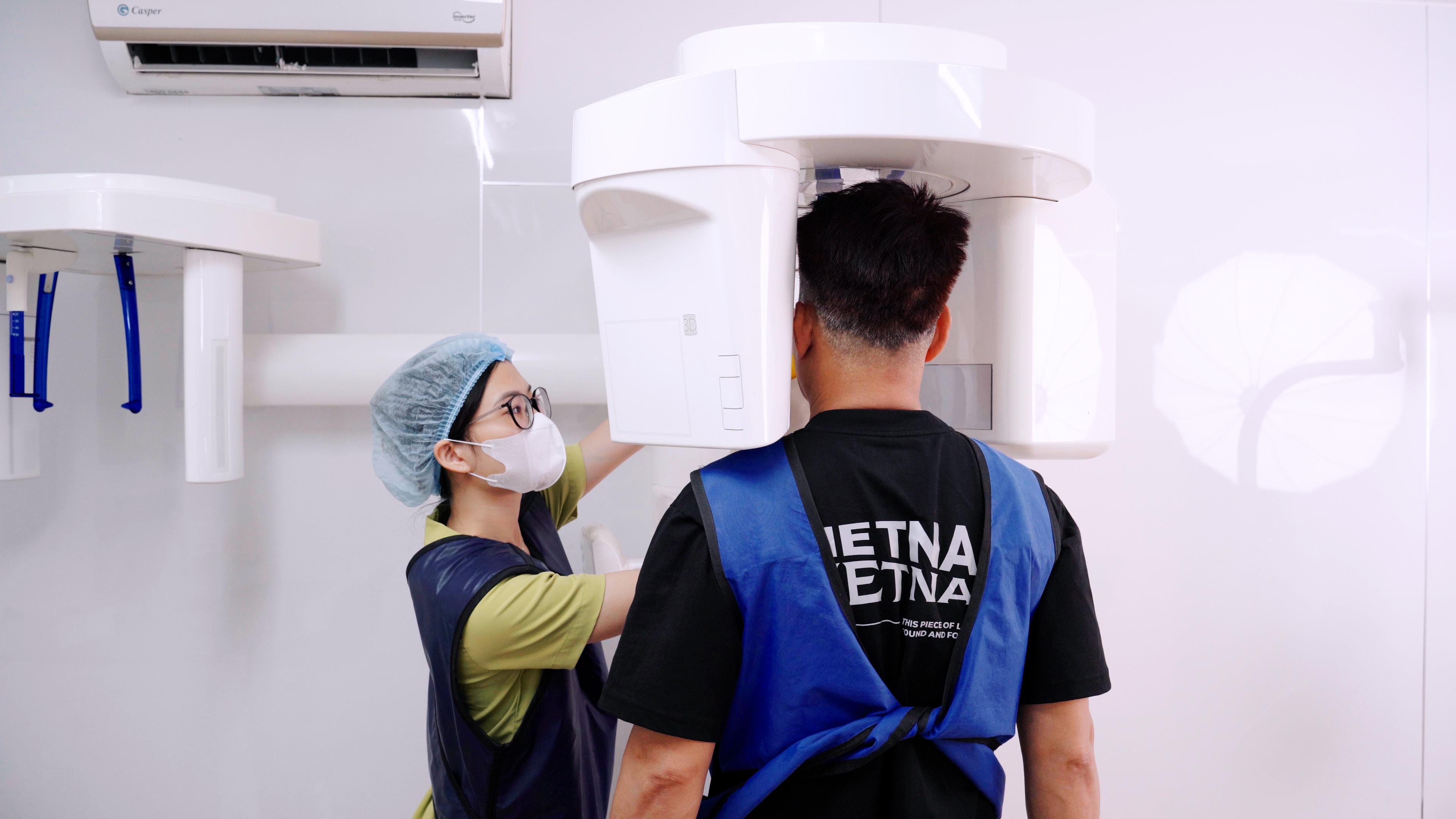
Planning a dental trip to Hanoi means picking dates that work for your recovery, not just your itinerary. This guide breaks down exactly what the weather looks like every month — temperatures, rainfall, UV, and humidity — so you can book your flights and your clinic appointment with full information.
Complete Monthly Weather Data
| Month | Avg High °C | Avg Low °C | Rainfall mm | Humidity % | Sunshine hrs/day | UV Index | Best for dental visit | Packing tip |
|---|---|---|---|---|---|---|---|---|
| January | 20 | 15 | 18 | 80% | 3 | 3 | Y | Light jacket, layers |
| February | 22 | 17 | 28 | 82% | 3 | 3 | Y | Light jacket, umbrella |
| March | 25 | 20 | 45 | 83% | 4 | 4 | Caution | Antihistamines, light layers |
| April | 29 | 24 | 75 | 84% | 5 | 6 | Caution | SPF 50+, antihistamines |
| May | 33 | 28 | 135 | 83% | 6 | 8 | Caution | Rain poncho, sunscreen |
| June | 34 | 29 | 190 | 83% | 6 | 9 | N | Rain poncho, cooling towel |
| July | 35 | 29 | 275 | 84% | 6 | 9 | N | Rain poncho, cooling towel |
| August | 34 | 29 | 305 | 84% | 6 | 8 | N | Rain poncho, cooling towel |
| September | 31 | 27 | 215 | 83% | 5 | 7 | Caution | Umbrella, light clothes |
| October | 27 | 22 | 90 | 80% | 5 | 6 | Y | Light jacket for evenings |
| November | 23 | 18 | 55 | 79% | 4 | 4 | Y | Light jacket, scarf |
| December | 20 | 15 | 20 | 78% | 3 | 3 | Y | Warm layers, scarf |
Hanoi’s Four Seasons
Winter (December–February)
Hanoi winters are mild by most standards — highs of 20–22 °C and lows around 15–17 °C. Rainfall is minimal (18–28 mm/month), skies are often overcast, and humidity sits at a comfortable 78–82%. This is a strong window for dental tourism. The cool air reduces post-procedure swelling, and you will not be sweating through gauze pads on the walk back to your hotel.
Pack a light jacket and a layer or two. Evenings in January can feel genuinely chilly by Vietnamese standards.
Spring (March–April)
Temperatures climb from 25 °C in March to 29 °C in April, with rainfall rising to 45–75 mm. Spring brings what locals call “drizzling rain” — light but persistent mist that keeps humidity above 83%. More importantly for dental tourists: tree pollen peaks in March and April. If you are recovering from oral surgery, elevated pollen can irritate healing tissues and trigger sneezing that strains sutures. If you must travel in spring, pack antihistamines and discuss timing with your clinic.
Summer (May–September)
This is Hanoi’s wet season and the most challenging period for dental recovery. Temperatures reach 33–35 °C, rainfall peaks at 305 mm in August, and humidity locks in at 83–84%. UV Index hits 9 in June and July — extreme by any classification. Clinics are air-conditioned and operate normally, but the outdoor environment is tough. Heat accelerates swelling and increases the risk of dehydration, which slows healing. If your only option is a summer trip, schedule procedures early in the stay, give yourself extra recovery days, and stay close to your hotel for the first 48 hours.
Autumn (October–November)
Autumn is widely regarded as the sweet spot for visiting Hanoi, and that holds for dental tourism too. Temperatures drop to 23–27 °C, rainfall falls sharply to 55–90 mm, humidity eases to 79–80%, and skies clear enough for 4–5 sunshine hours per day. Conditions are comfortable without being extreme in either direction — ideal for managing post-procedure sensitivity and keeping recovery stress low.
How Weather Affects Dental Recovery
Cold weather can cause temporary sensitivity in teeth that have just been crowned, restored, or whitened. Breathing cold air through the mouth is the most common trigger. A light scarf worn loosely over the lower face on winter walks is an easy fix, and most Hanoians do exactly that in December and January.
Heat and humidity create a different set of issues. Swelling is harder to control when ambient temperature is high. Dry sockets after extractions are more likely when patients are dehydrated — something that happens faster in 34 °C heat. If you are travelling in summer, drink more water than you think you need, avoid alcohol, and keep a cold pack handy at your accommodation.
Pollen season (March–April) deserves special attention for anyone undergoing surgical procedures such as dental implants or All-on-4. Sneezing and nasal congestion increase pressure around healing tissues. Consult your surgeon about antihistamine use — some interact with blood thinners prescribed post-surgery.
What to Wear Each Season
- Winter (Dec–Feb): Light trousers, long-sleeved shirts, a packable jacket. Locals layer heavily — follow their lead on cold snaps.
- Spring (Mar–Apr): Breathable fabrics, a compact umbrella, SPF 30+ from April onward. A light cardigan handles the air-conditioned clinic interior.
- Summer (May–Sep): Loose linen or moisture-wicking clothes, rain poncho or umbrella daily, SPF 50+ sunscreen, and a hat outdoors. A cooling towel is worth its weight.
- Autumn (Oct–Nov): Light layers, a jacket for evenings, and comfortable walking shoes for exploring between appointments.
For a broader look at timing, see our guide on the best time to visit Hanoi.
Related Reading
- How Many Days Should You Spend in Hanoi?
- How Long to Stay in Hanoi for Dental Implants
- Hanoi Dental Prices 2026
- Combine a Holiday with Dental Treatment
- Best Things to Do in Hanoi Between Appointments
Sources
- Vietnam National Centre for Hydro-Meteorological Forecasting — Hanoi monthly climate normals, 2025 update.
- General Department of Tourism Vietnam — Seasonal visitor flow and travel advisory data, 2025.
- Vietnam Dental Association — Post-operative care guidelines for international patients, 2024 edition.
- Hanoi Department of Health — Environmental health bulletins including seasonal allergy and UV advisories, 2025.