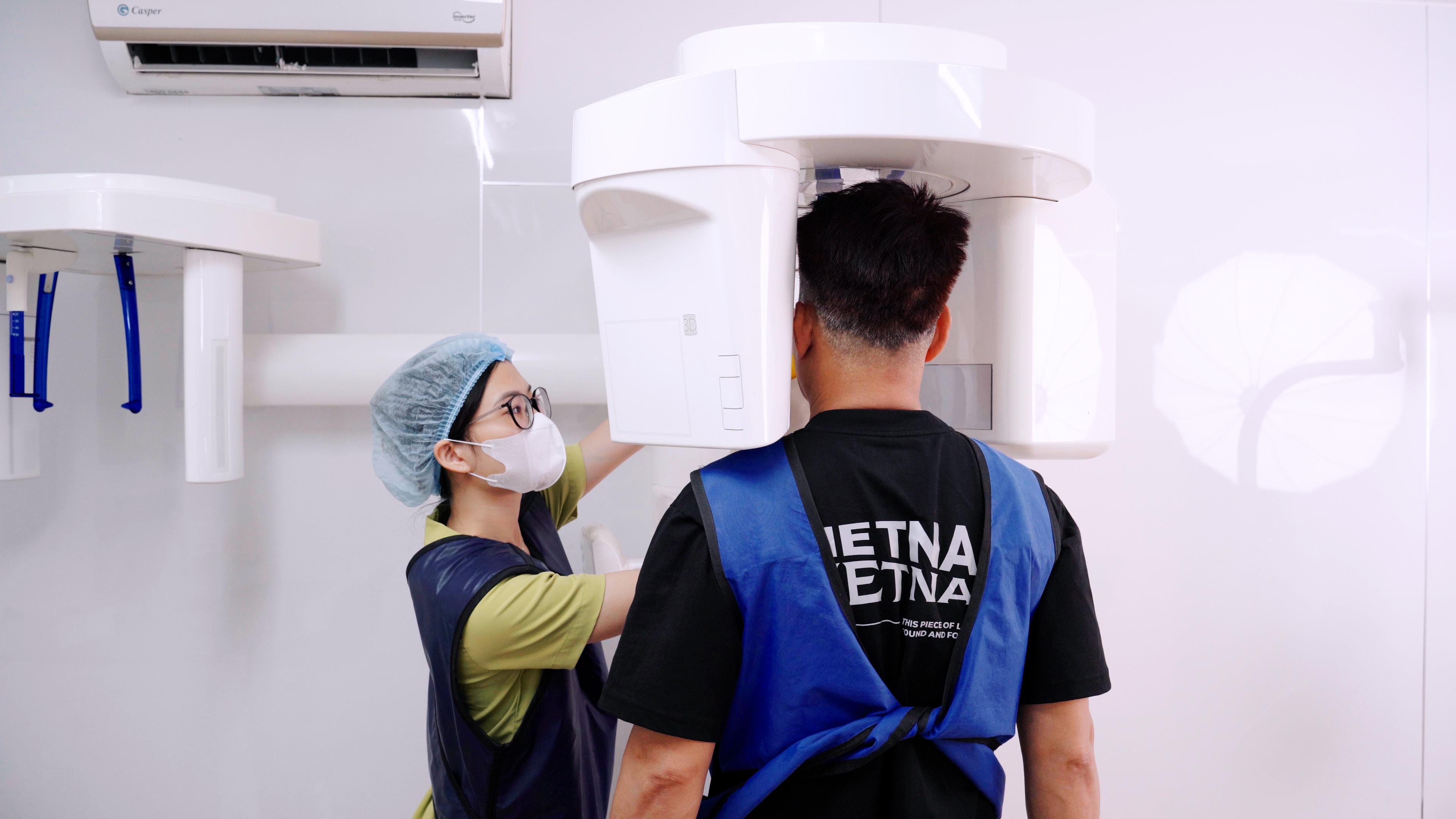
January is one of Hanoi’s most pleasant months — cool air, low rainfall, and a city quietly gearing up for its biggest celebration of the year. For dental tourists, it also happens to be one of the easiest times to get clinic time and recover in comfort.
Weather in January
January sits in the heart of Hanoi’s cool, dry season. Daytime temperatures range from 15–20°C, dropping to around 12°C at night. Mornings often bring a thin mist over Hoan Kiem Lake that burns off by mid-morning — atmospheric and very walkable once the sun is up.
Rainfall is minimal: 15–20mm across the whole month, spread across only a handful of days. Humidity hovers around 80%, which sounds high on paper but feels comfortable compared to the sticky 90%+ of summer. You won’t be reaching for an umbrella constantly, but a compact one doesn’t hurt.
What to pack: A light down jacket or warm fleece for evenings, comfortable walking shoes, and layers you can shed as the day warms. A light scarf does double duty — warmth in the morning and sun protection by afternoon.
What to Do in Hanoi in January
Walk the Old Quarter Without the Crowds
January sits outside peak Western tourist season, so the narrow streets of the 36 guilds feel less congested than October or December. It’s the best time to browse Hang Gai (silk street), pick up lacquerware on Hang Khai, and drink ca phe trung (egg coffee) without queuing.
Watch Tet Preparations Unfold
From around mid-January, the city starts visibly preparing for Tet — the Lunar New Year that typically falls in late January or early February. Hang Ma street fills with gold and red decorations, peach blossom trees appear on pavements outside homes, and street vendors selling lanterns and kumquat trees set up along major boulevards. It’s a uniquely photogenic time to be in the city.
Seasonal Food Worth Seeking Out
January is prime time for bánh chưng (sticky rice cake with pork and mung bean), which vendors sell pre-made or wrap to order in the weeks before Tet. The cooler weather also makes hotpot (lẩu) season — family-style at restaurants around Truc Bach Lake. Look for bún bò Huế stalls for a warming spicy noodle soup on cold mornings.
Day Trips: Ninh Binh and Ha Long Bay
Cool, dry January conditions are ideal for the boat trips through limestone karsts at Ninh Binh (2 hours south) or Ha Long Bay. Low humidity means clear sightlines and comfortable time on the water. If you’re combining a split dental trip with sightseeing, January is one of the better months for the Ha Long leg.
Is January a Good Time for Dental Work in Hanoi?
January is rated Good for dental tourism — arguably the least-discussed gem in the Hanoi dental calendar.
Clinic availability is high. Patient volumes are low in January, so international clinics like Picasso Dental Clinic (Old Quarter), Australian Dental Clinic, and Westcoast International Dental typically have open slots on short notice. If you want a same-week consultation for dental implants or porcelain veneers, January makes that realistic.
The weather suits recovery well. Post-operative comfort matters more than most people expect. After implant placement or a root canal, the last thing you want is 38°C heat. January’s 15-20°C air reduces facial swelling, makes staying hydrated easy, and means your hotel room won’t feel oppressive during rest days.
Price stability is good in January. No surge pricing, no peak-season premiums. A single implant in Hanoi runs $500–$1,500 depending on the implant system and clinic, compared to $3,000–$6,000 in Australia or the UK. Dental crowns range from $120–$280 per unit. See the full Hanoi dental price guide for 2026 for a detailed breakdown.
The Tet caveat. This is the one planning consideration for January. Tet closures are real — most clinics shut for 5-10 days around the festival. If Tet falls in late January (as it does in some years), make sure your final appointment — impressions, fitting, review — happens no later than 10 days before the break. Check the exact Tet dates for your travel year and ask your clinic directly about their holiday schedule when booking.
For multi-appointment treatments like implants or All-on-4 (priced at $4,000–$8,500 per arch in Hanoi), review how long to stay for dental implants to make sure your January window is long enough.
Getting to Hanoi in January
January sits outside the main Western holiday rush (which peaks December-early January), so flight demand moderates after the first week. Fares from Europe typically run lower than December, with reasonable availability on routes via the Gulf carriers and Southeast Asian hubs. Flights from Australia and the US are similarly uncompressed compared to the October–November dental tourism peak.
Noi Bai International Airport handles the volume comfortably in January. Transit into the city by Grab takes 35-50 minutes depending on traffic. January morning fog occasionally delays early arrivals by 20-30 minutes, so build buffer into first-day clinic appointments. Need visa info before you travel? The Hanoi visa guide covers e-visa eligibility by nationality.
Related Reading
- Best Time to Visit Hanoi — full seasonal breakdown for tourists and dental patients
- Hanoi Weather by Month — temperature, rainfall, and humidity data month by month
- Top 6 Dental Clinics in Hanoi — vetted clinics with pricing and patient notes
- Combine a Holiday with Dental Treatment in Hanoi — how to structure a trip that works for both
- Hanoi Street Food After Dental Work — what to eat (and avoid) during recovery
Sources
- Vietnam National Administration of Tourism — monthly visitor arrival statistics, 2025
- Hanoi Department of Health — dental clinic licensing register, 2025
- General Statistics Office of Vietnam — climate normals, Hanoi station, 2011-2025
- Vietnam Meteorological and Hydrological Administration — January rainfall and temperature averages, Northern region