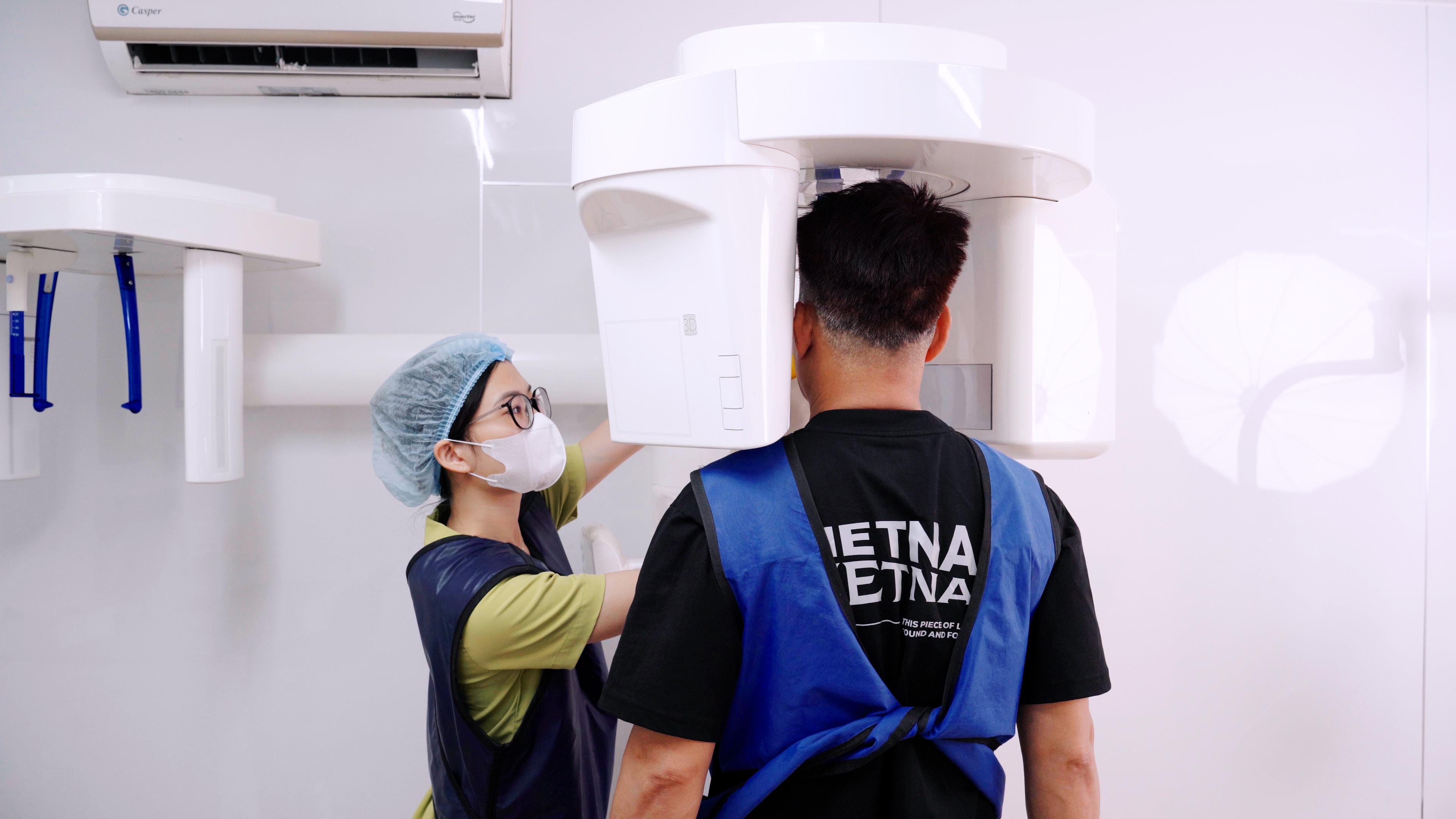
February in Hanoi is a month of contrasts: cool mist rolling over Hoan Kiem Lake, the lingering energy of Tet, and quieter streets once the celebrations wind down. If you’re planning a dental trip, the timing of your visit relative to the Lunar New Year makes all the difference.
Weather in February
Hanoi in February sits in its cool-dry season, though “dry” is relative. Expect temperatures between 17–22°C, with average rainfall of 25–30mm for the month—mostly light drizzle rather than prolonged downpours. Humidity hovers around 82%, which can make the air feel heavier than the temperature suggests.
What does it feel like on the ground? Think mild and overcast. The sun makes appearances, but grey skies are common. It’s jacket weather—particularly in the mornings and evenings when temperatures dip closer to 15°C.
Packing advice for February: bring a lightweight waterproof layer, a mid-weight jacket, and layers you can add or remove. Forget the sandals—comfortable walking shoes with grip are better suited to occasional wet pavements.
For dental recovery, this weather is actually a plus. Cool temperatures reduce inflammation risk, and you won’t be sweating through a humid 35°C afternoon the day after a procedure.
What to Do in Hanoi in February
Experience (or Recover From) Tet
Tet transforms Hanoi. In the week leading up to the Lunar New Year, the city buzzes with flower markets—particularly the famous Nhat Tan peach blossom market on the western edge of the city. Streets fill with kumquat trees, red lanterns, and families stocking up for the holiday.
Then, almost overnight, Hanoi empties. Many locals return to their home provinces, and the usually frenetic streets fall unusually quiet. If you time your visit for the post-Tet lull (roughly 1–2 weeks after the main holiday), you’ll find a calmer, less congested city.
Visit Hoan Kiem Lake and the Old Quarter
February’s mild temperatures make this the ideal time to walk. Hoan Kiem Lake is stunning on overcast mornings—reflections sharp, crowds thinner than in peak summer. The surrounding Old Quarter is best explored on foot; in February, you’re spared the full heat of summer that makes afternoon walks uncomfortable.
Try Seasonal Hanoi Food
February is prime time for banh chung (sticky rice cake traditionally eaten at Tet) and xoi (sticky rice), both sold from street stalls across the city. Hot pho and bun bo taste especially good on cool February mornings. See our guide to Hanoi street food after dental work if you’re managing a soft-food diet post-procedure.
Day Trip to Ha Long Bay
February is an acceptable time for a Ha Long Bay day trip or overnight cruise—cool temperatures, fewer tourists than peak season, though occasional mist can reduce visibility. See our guide to combining a dental trip with Ha Long Bay for practical logistics.
Is February a Good Time for Dental Work in Hanoi?
Overall rating: Caution (Tet)
February is workable for dental tourism—but only if you plan around Tet. Here’s the breakdown:
The Tet problem: Virtually every dental clinic in Hanoi closes for 5–7 days around the Lunar New Year holiday. Some close even longer. If you arrive during this window expecting a consultation or procedure, you will be turned away. This is the single biggest planning risk for February dental visitors.
When to book: Either schedule your treatment to finish at least 5–7 days before Tet begins, or plan to arrive at least 2 weeks after the holiday concludes. Multi-visit treatments like implants or full-arch work (see All-on-4 treatment) require even more lead time—coordinate session timing carefully.
Always confirm directly: Before purchasing flights, contact your clinic and ask for their specific closure and reopening dates that year. International clinics like Australian Dental Clinic and Westcoast International Dental sometimes reopen sooner than local practices, but never assume.
Recovery conditions: The cool weather is genuinely favorable for post-procedure recovery. Swelling is easier to manage at 18°C than at 34°C. If you’re doing implants, crowns, or gum work, February (outside Tet) is one of the more comfortable months to recover in.
Cost context: Dental pricing in Hanoi doesn’t fluctuate by season. A single implant runs $500–$1,500, crowns $120–$280, and E.max veneers $150–$400 per tooth—four to six times less than equivalent work in the US, and five to eight times less than Australia or the UK. See the full Hanoi dental prices guide for a complete breakdown.
Getting to Hanoi in February
Flight demand to Hanoi spikes in the week or two before Tet, driven by diaspora travelers and returning Vietnamese nationals. Airlines often raise fares during this window—and seats sell out faster than you’d expect.
Book early if you’re traveling in late January or the first half of February. If your dental schedule lets you fly in the post-Tet period (mid-to-late February), you’ll typically find more availability and less price pressure. Check our Hanoi visa guide for entry requirements before booking.
Related Reading
- Best time to visit Hanoi
- Hanoi weather by month
- Top 6 dental clinics in Hanoi
- How many days in Hanoi is enough?
- Combine a holiday with dental treatment in Hanoi
Sources
- Vietnam National Administration of Tourism — seasonal visitor data and Tet travel patterns, tourism.gov.vn
- Hanoi Department of Health — dental clinic operating schedules and holiday closure guidelines, hanoihealth.gov.vn
- General Statistics Office of Vietnam — monthly climate averages for Hanoi, gso.gov.vn
- Vietnam Meteorological and Hydrological Administration — February rainfall and humidity records for Hanoi, nchmf.gov.vn