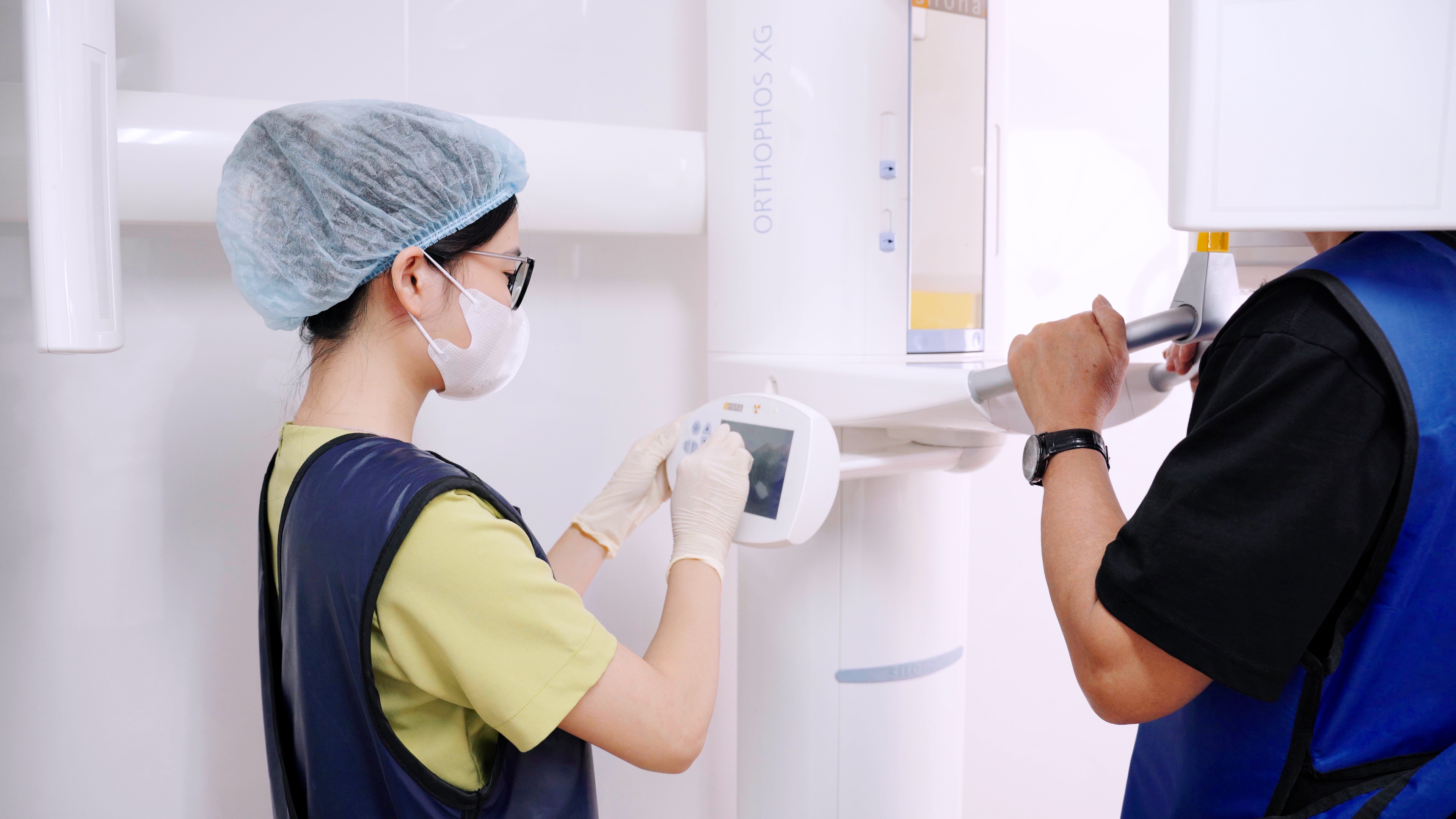
Recovering from oral surgery does not mean spending your entire trip in a hotel room. Hanoi happens to be one of the best cities in the world for gentle, low-exertion recovery, with shaded lakes, calm cafes, and air-conditioned museums all within a short Grab ride of the main clinic districts. The key is matching your activities to your healing timeline and knowing what to avoid.
First, Understand Your Recovery Window
Whether you have had a single extraction, a dental implant, or a full-arch All-on-4 procedure, the first few days follow a broadly similar pattern. Swelling and tenderness usually peak in the first 48 hours, then ease over the following days. Your clinic will give you personalised aftercare instructions, and those always take priority over any general advice here.
As a rough guide:
| Recovery window | How you’ll likely feel | Suitable activities |
|---|---|---|
| First 48 hours | Swelling, mild discomfort, need for rest | Stay near hotel, short slow walks, cold compresses |
| Day 3-4 | Swelling easing, more energy | Cafes, museums, gentle lake walks |
| Day 5-7+ | Largely comfortable, near normal | Light sightseeing, seated cultural shows |
This timeline assumes a smooth recovery. If you experience heavy bleeding, increasing pain, or fever, contact your clinic immediately rather than pushing on with plans.
The First 48 Hours: Rest Close to Base
Right after surgery, your job is simply to protect the surgical site and let the clot stabilise. Choose a hotel close to your clinic so you are never far from help. The clinics most international patients use, including Picasso Dental in the Old Quarter, Picasso Dental West Lake, Australian Dental Clinic, Westcoast International Dental, Minh Thu Dental, and Greenfield Dental, are all within easy reach of comfortable accommodation.
Gentle, suitable activities in this window:
- A slow stroll around the block or hotel garden, if you feel steady
- Sitting in a quiet, air-conditioned cafe with a cool, soft drink
- Reading, films, or simply resting with your head slightly elevated
Use Grab rather than walking long distances in the heat, and never drink tap water, including for rinsing, unless your clinic advises a specific saltwater rinse.
Day 3-4: Easing Back Into the City
Once the worst of the swelling has passed, you can start enjoying Hanoi at a relaxed pace. The aim is calm, seated, and shaded.
Lake Walks
A slow loop of Hoan Kiem Lake is the classic gentle Hanoi activity. It is flat, shaded in parts, and free. Go early morning or late afternoon to avoid the midday heat, and keep it short. West Lake offers a longer, quieter waterfront if you are staying near Picasso Dental West Lake.
Quiet Cafes
Hanoi’s cafe culture is ideal for recovery. Skip very hot drinks in the early days and choose something cool and soft instead. Egg coffee is a local icon, but ask for it lukewarm and sip carefully.
Air-Conditioned Museums
Museums keep you out of the heat and on your feet only briefly. Good options include the Vietnam Museum of Ethnology, the Vietnam Fine Arts Museum, and the Temple of Literature, where you can sit in shaded courtyards. Entry fees are modest, typically around 40,000-100,000 VND (roughly $1.50-4).
Day 5-7 and Beyond: Calm Culture
By now most patients feel close to normal, though the surgical site is still healing internally.
Water Puppet Show
An evening Water Puppet performance is one of the best recovery-friendly activities in Hanoi. You sit comfortably in an air-conditioned theatre for around 50 minutes, with tickets usually around $4-10. It is cultural, memorable, and requires zero physical effort.
Gentle Sightseeing
Short, seated cyclo rides through the Old Quarter, a relaxed lunch, or a slow browse through a craft shop all work well. Continue to favour shade, hydration with bottled water, and soft foods.
What to Avoid During Recovery
Some of Hanoi’s most popular experiences are best saved for after you have healed:
- Heat and sun: Avoid the midday sun, hot springs, and saunas, which can worsen swelling and bleeding.
- Alcohol and smoking: Both interfere with clotting and healing and can clash with prescribed medication. Hanoi’s bia hoi corners can wait.
- Strenuous day-trips: Halong Bay cruises, Sapa trekking, Ninh Binh boat tours, and long bus journeys involve hours of travel away from your clinic. Postpone these until your dentist clears you.
- Street-food risks: Be cautious with very hot, hard, crunchy, or spicy foods, and anything that could lodge in the surgical site.
If you are combining treatment with a holiday, schedule the adventurous parts for the end of your trip. Our guide on combining a holiday with dental treatment explains how to sequence this well.
Planning Around Your Treatment
The amount of recovery time you need depends on what you are having done. A single implant placement is relatively quick, while full-arch work involves more healing. With single implants at top Hanoi clinics costing $500-1,500 and success rates of 95-98%, many patients build a gentle few days of recovery into a trip that still costs far less than treatment at home. Plan generous rest rather than a packed itinerary, and let Hanoi’s slower pleasures carry you through.
Related Reading
- How long should you stay in Hanoi for dental implants?
- Combining a holiday with dental treatment
- Hanoi dental prices 2026
- Dental implants in Hanoi
- Best things to do in Hanoi
Sources
- American Dental Association — patient guidance on oral surgery and tooth extraction aftercare
- American Association of Oral and Maxillofacial Surgeons — post-operative care recommendations
- Mayo Clinic — general guidance on healing after dental procedures and managing swelling
- NHS (UK) — advice on recovery after tooth extraction and dental surgery