If you live in Germany and are weighing dental treatment in Hanoi, your first question is probably whether your Krankenkasse or private insurer will pay any of it. The honest answer is: it depends heavily on your policy type, and you must confirm the specifics in writing before you book. This guide explains how German statutory (GKV) and private (PKV) cover typically treats overseas dental care and how to document a claim.
How German Insurance Treats Treatment Abroad
German health cover splits into two systems, and they handle foreign dental work very differently.
Statutory Insurance (GKV)
Statutory funds (gesetzliche Krankenversicherung) are designed around treatment inside the EU/EEA and Switzerland. Within that zone, planned care can be reimbursed up to the amount a comparable German treatment would have cost. Outside the EU/EEA — which includes Vietnam — reimbursement is the exception, not the rule.
Where GKV does help, it is usually through the fixed subsidy system (Festzuschuss) for dentures, crowns, and bridges. This subsidy is a set amount tied to your diagnosis, not to where the work is performed. To have any chance of claiming it for work done in Hanoi, you generally must submit a treatment plan and apply for approval before treatment begins.
Private Insurance (PKV) and Supplementary Cover
Private full cover (PKV) and supplementary dental policies (Zahnzusatzversicherung) are far more flexible. Many reimburse treatment worldwide, paying a percentage of the invoiced cost up to annual limits and after any waiting periods. Because Vietnam’s prices are lower, the invoiced amount your insurer works from is smaller — which can shrink your out-of-pocket gap considerably.
Why the Maths Often Works in Your Favour
Hanoi dental work is roughly 60-85% cheaper than equivalent care in Germany. Even if your insurer reimburses little or nothing, the lower base price can leave you ahead. Below are typical Hanoi prices (USD, 2026) to compare against German private fees.
| Treatment | Hanoi price (USD, 2026) |
|---|---|
| Single dental implant | $500-1,500 (Osstem $500-900, Nobel Biocare $900-1,400, Straumann $1,000-1,500) |
| Crown (zirconia / PFM) | $80-350 |
| Porcelain veneer | from $150 per tooth |
| All-on-4 (per arch) | $4,500-9,000 |
| Root canal | $70-200 |
| Bridge | $200-700 |
For a full-arch case, the gap between a Hanoi quote and a German one can run into thousands of euros — often more than any reimbursement difference. Reputable Hanoi clinics such as Picasso Dental, Westcoast International Dental, and Australian Dental Clinic provide detailed quotes you can send to your insurer in advance.
Step-by-Step: Documenting and Claiming
1. Get Pre-Approval Before You Travel
Ask your Krankenkasse or PKV provider, in writing, what they will reimburse for the specific procedures you need performed outside the EU. Submit a treatment plan and cost estimate first. For GKV, this pre-approval step is usually essential.
2. Collect Complete Records in Hanoi
Before you leave Vietnam, request from your clinic:
- An itemised invoice listing each procedure and its individual price
- A written treatment plan describing the diagnosis and work done
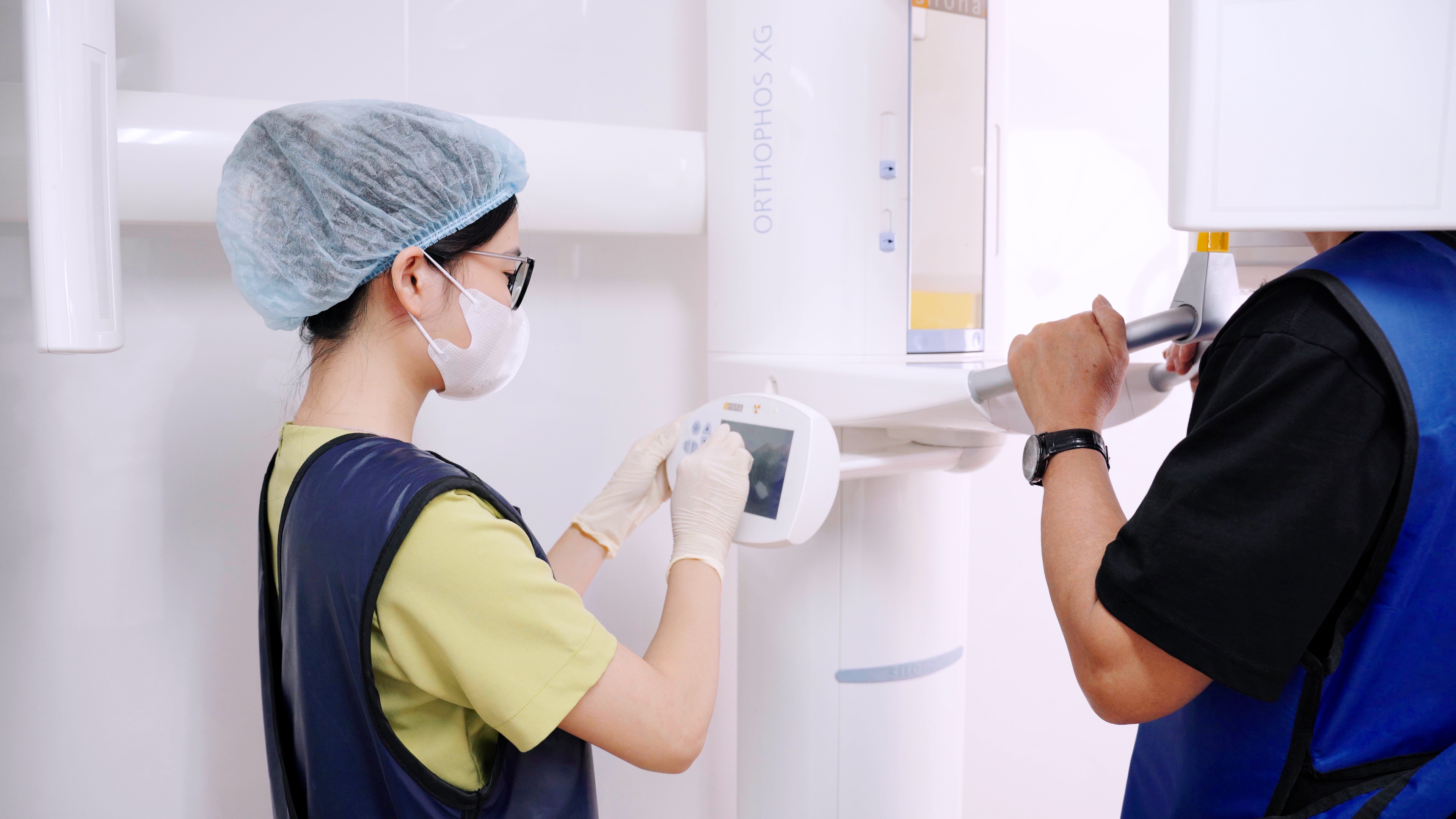
- Diagnostic records such as X-rays or CBCT scans
- Proof of payment (card receipt or bank transfer confirmation)
Multilingual clinics like Westcoast International Dental are used to producing English-language paperwork for international patients.
3. Translate If Required
Some insurers ask for documents in German or English. Confirm the requirement and arrange a translation of the invoice and treatment plan if needed.
4. Submit and Follow Up
File your claim promptly with all documents attached. Keep copies, note any deadlines, and follow up in writing if you do not receive a decision within the timeframe your insurer states.
Important Disclaimer
This article is general guidance only and does not constitute insurance, tax, or medical advice. German insurance rules vary significantly between statutory funds, private insurers, and individual policies, and they change over time. You must confirm coverage, reimbursement amounts, pre-approval requirements, and documentation rules directly with your own Krankenkasse, PKV provider, or tax authority before making any treatment decisions.
Related Reading
- Dental Implants in Hanoi
- All-on-4 Treatment Guide
- Hanoi Dental Prices 2026
- Is Dental Work in Vietnam Safe?
- Top 6 Dental Clinics in Hanoi
Sources
- Gesetzliche Krankenversicherung (GKV) — general principles on treatment abroad, statutory fund guidance
- Verband der Privaten Krankenversicherung (PKV) — policy framework for overseas treatment reimbursement
- Bundeszahnärztekammer (German Dental Association) — fixed subsidy (Festzuschuss) and treatment plan guidance
- Peer-reviewed dental literature — implant success and survival rates, 2024-2025