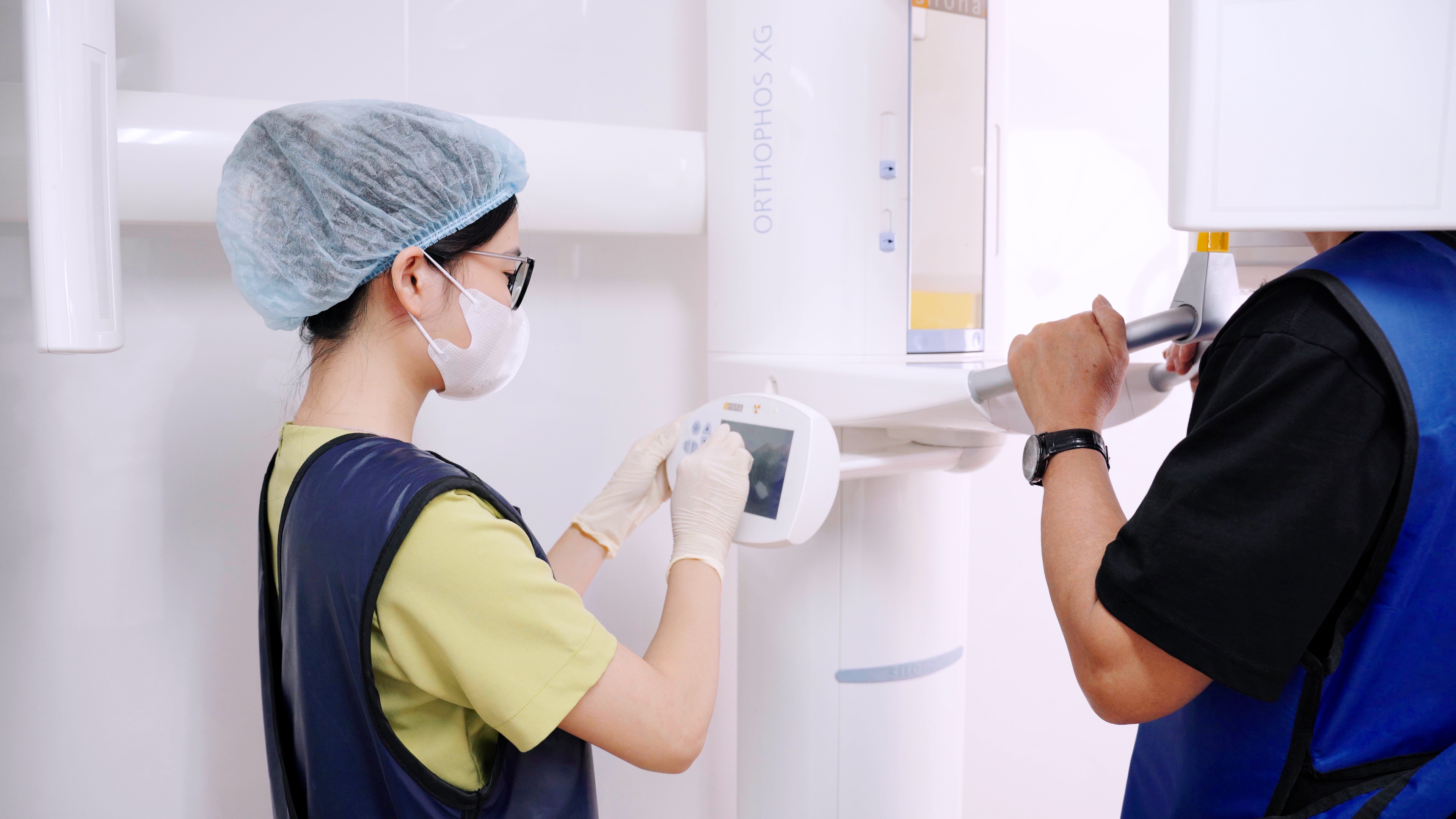
Dental tourism gets talked about in extremes: either it is a money-saving miracle or a cautionary horror story. The truth is more grounded. The procedures themselves are well understood worldwide, and the real risks of going abroad cluster around logistics, planning, and follow-up rather than the dentistry itself. This guide walks through those risks honestly and shows you exactly how to manage each one.
The Real Risks (and Why They Are Manageable)
Continuity of care
The biggest genuine risk is not the treatment, it is what happens afterwards. Your treating dentist is thousands of kilometres away, so a routine adjustment or an unexpected ache becomes harder to handle than it would be at home.
How to manage it: choose a clinic with a clear remote follow-up process, keep every X-ray and treatment note, and line up a local dentist before you travel who is willing to handle minor aftercare. For staged work like implants, plan the schedule around healing, not around a cheap flight.
Warranty enforcement
A warranty is only as good as your ability to use it. Some patients assume a guarantee covers everything, then discover it excludes the return airfare or requires in-person assessment.
How to manage it: get the warranty in writing before treatment starts. Reputable Hanoi clinics offer roughly 5-10 years on implants and 3-5 years on crowns and bridges. Ask specifically what is covered, what is excluded, and who pays for any return trip.
Complications far from home
Complications are uncommon. Implant failure rates sit below 3% globally, and top Hanoi clinics report 95-98% success. But if something does go wrong after you fly back, distance complicates the fix.
How to manage it: do not fly home the morning after surgery. Build in recovery days so the clinic can review healing, and confirm they offer remote assessment by photo and X-ray once you are home.
Communication gaps
Misunderstandings about the plan, materials, or cost cause more dissatisfaction than clinical error. This risk rises if only the front desk speaks your language.
How to manage it: confirm that your treating dentist speaks fluent English, and insist on a written treatment plan and itemised quote. Hanoi’s international clinics, including Picasso Dental, Westcoast International Dental, Australian Dental Clinic, Minh Thu Dental, and Greenfield Dental, are set up for international patients.
Rushed treatment
The most avoidable risk is compressing complex work into too few days to match a holiday. Cutting healing time short to catch a flight is where good clinics and good patients both get into trouble.
How to manage it: match your stay to the procedure, not the other way around. The table below gives realistic guidance.
Realistic Timelines and Costs in Hanoi
| Treatment | Typical stay | Hanoi price (USD) |
|---|---|---|
| Cleaning | Same day | from $20 |
| Whitening | 1-2 days | $60-120 |
| Crown | 2-4 days | $80-350 |
| Veneers | 4-7 days | from $150/tooth |
| Root canal | 2-3 days | $70-200 |
| Single implant | 2 trips, or 1 longer stay | $500-1,500 |
| All-on-4 | ~5-7 days (first phase) | $4,500-9,000/arch |
Implant pricing tracks the brand: Osstem runs $500-900, Nobel Biocare $900-1,400, and Straumann $1,000-1,500. All-on-6 is typically higher than All-on-4. Even after flights and accommodation, these figures land 60-85% below US, UK, or Australian prices.
A practical tip while you are in Hanoi: do not drink the tap water, and use Grab for transport rather than hailing taxis on the street.
Prevention Checklist
Run through this before you book anything:
- Confirm the clinic names its dentists and lists credentials publicly.
- Verify the implant or crown brand in writing, not just verbally.
- Require a CBCT scan before any implant placement; if a clinic skips it, walk away.
- Get an itemised quote and written treatment plan in your own language.
- Confirm the warranty length, exclusions, and who covers a return trip.
- Match your length of stay to healing time, never to your flight deal.
- Schedule recovery and a final review before you fly home.
- Identify a local dentist for minor aftercare before you leave.
- Keep copies of all imaging, receipts, and notes.
- Compare quotes against the local price ranges; suspiciously cheap is a red flag.
Handle these and dental tourism stops being a gamble. The savings are real, the clinics are capable, and the risks that remain are the ones you can plan around.
Related Reading
- Is Dental Work in Vietnam Safe?
- How Long Should You Stay for Dental Implants?
- Hanoi Dental Prices 2026
- Dental Implants in Hanoi
- Top 6 Dental Clinics in Hanoi
Sources
- International Team for Implantology (ITI) clinical consensus on implant success and survival rates.
- World Health Organization guidance on patient safety and quality of care.
- Cochrane Oral Health systematic reviews on dental implant outcomes.
- Patient Beyond Borders, dental tourism cost and planning data.