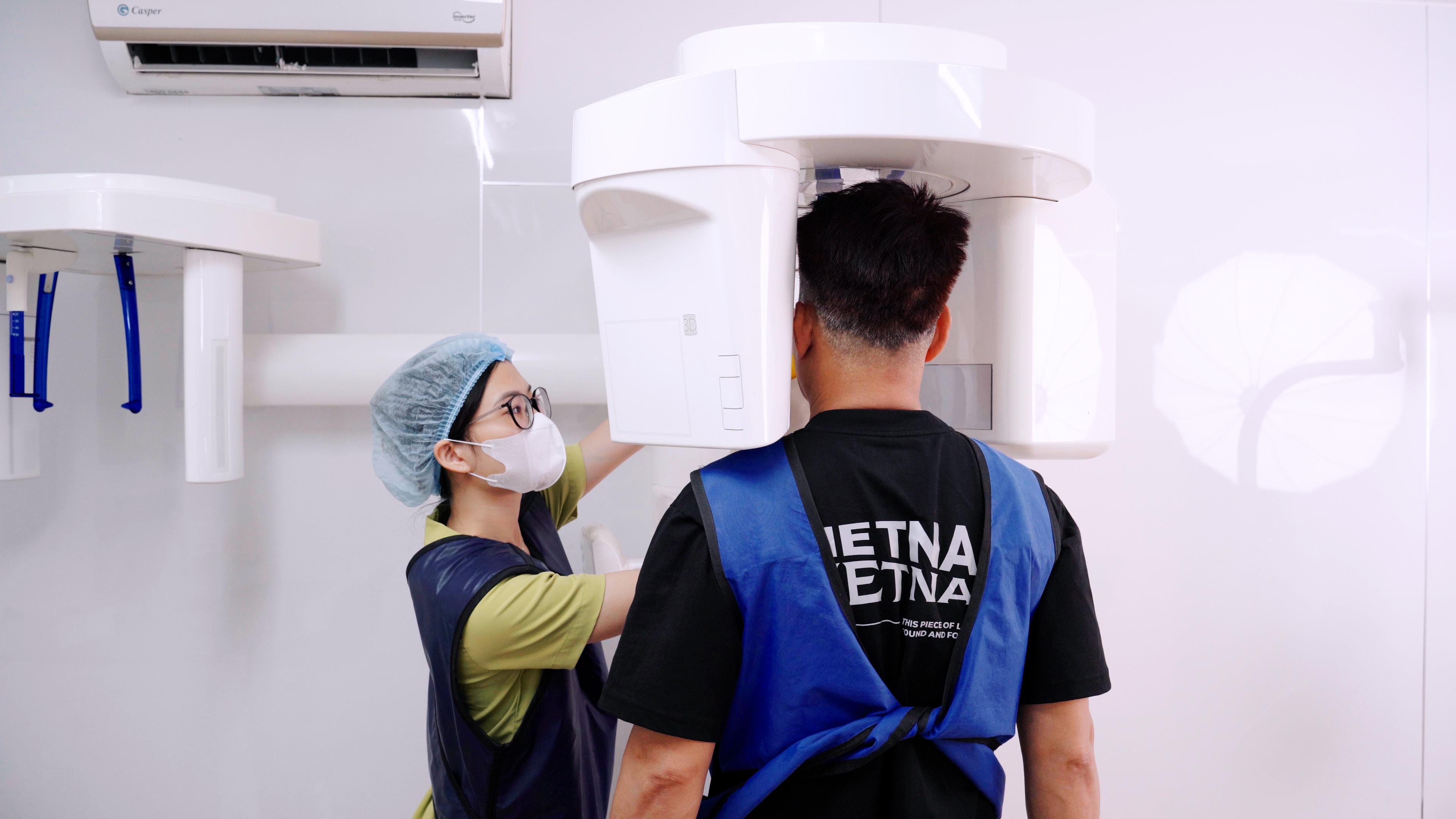
Dental treatment in Vietnam costs a fraction of Australian, UK, or US prices — but the upfront cost of flights plus treatment still requires planning. The good news is that even with a loan, the monthly repayments on a full Hanoi dental trip are often lower than financing the same work at home.
The Personal Loan Maths
The core comparison is simple. Suppose you need treatment that costs $25,000–$30,000 AUD in Australia. In Hanoi, the same treatment might cost $4,000–$6,000 AUD including flights and accommodation.
Run the numbers at a standard 7% p.a. personal loan over 2 years:
| Scenario | Loan amount | Rate | Term | Monthly repayment |
|---|---|---|---|---|
| Hanoi trip (treatment + travel) | $6,000 AUD | 7% p.a. | 2 years | ~$270/month |
| Same treatment at home | $30,000 AUD | 7% p.a. | 2 years | ~$1,350/month |
You pay five times more per month to finance treatment locally, even before factoring in that the local quote is usually higher than the financed figure above. For most patients, this comparison settles the question.
Clinic Payment Plans in Hanoi
Hanoi clinics do not typically offer multi-month instalment billing the way some Western practices do. The standard structure is:
- 30% deposit paid at booking to confirm your appointment dates
- Balance (70%) due at your final appointment before you leave
This means you need the full amount accessible before you travel — either saved, borrowed, or on a credit facility. Ask your chosen clinic to confirm the exact deposit percentage and accepted payment methods when you enquire. Most accept bank transfer, credit card, and cash (USD or VND).
Some clinics, including Picasso Dental Old Quarter and Australian Dental Clinic, have English-speaking patient coordinators who can walk you through payment logistics before your trip.
Travel Now, Pay Later: Afterpay and Klarna
Afterpay and Klarna are accepted by several airlines and travel booking platforms. Using buy-now-pay-later for flights is a legitimate way to spread the cash-flow impact of the travel portion of your trip without paying loan interest.
Important caveat: these products are for flights and travel bookings only. They are not accepted by dental clinics in Vietnam and should not be mistaken for a medical financing solution.
CareCredit: Useful at Home, Not in Vietnam
If you are a US-based patient, CareCredit is worth understanding. It is a revolving credit card issued specifically for healthcare spending, often with promotional 0% interest periods. However, CareCredit is only accepted at enrolled US healthcare providers. You cannot use it to pay a Hanoi clinic.
Where CareCredit does apply: if you need any stateside follow-up work after returning from Vietnam — temporary restorations, adjustments, or additional treatment — CareCredit may cover that portion.
Combined Trip Budgeting
Budget your Hanoi dental trip as a single project, not just a dental bill. Here is a realistic all-in breakdown for an Australian patient:
| Item | Estimated cost (AUD) |
|---|---|
| Return flights (Sydney or Melbourne to Hanoi) | $900–$1,400 |
| Hotel (7 nights, mid-range Old Quarter) | $500–$800 |
| Food and transport | $200–$400 |
| Treatment (10 E.max porcelain veneers) | $1,500–$4,000 |
| Total | ~$3,100–$6,600 |
The same 10 veneers in Australia typically cost $18,000–$28,000 — treatment alone, before any travel. Even at the high end of the Hanoi estimate, the savings are substantial. See dental implant savings in Vietnam and Hanoi dental prices 2026 for treatment-specific comparisons.
Worked Example: 10 Veneers in Hanoi
Emma is a 38-year-old from Melbourne quoted $22,000 AUD for 10 porcelain veneers by her local dentist. She researches Hanoi and books 10 E.max veneers at a reputable clinic for $280 per tooth — $2,800 total.
Her 7-day trip breakdown:
- Flights: $1,100
- Hotel (7 nights): $630
- Food and local transport: $270
- Treatment: $2,800
- Grand total: $4,800 AUD
Emma takes a $5,000 personal loan at 7% p.a. over 2 years. Her repayment is ~$224/month. She saves over $17,000 compared to the Melbourne quote and gets a week in Hanoi on top of it.
Practical Tips Before You Book
- Get a written treatment quote from the clinic before paying any deposit — confirm it covers all appointments including temporaries.
- Check your credit card’s foreign transaction fees — some cards charge 2–3% on overseas payments.
- Travel insurance should cover dental emergencies, not elective treatment. Read your policy. See health insurance for dental tourists in Vietnam.
- Leave buffer funds — minor additional work (a polish, an extra X-ray) can add small costs at the clinic.
Related Reading
- Dental Implant Savings in Vietnam
- Hanoi Dental Prices 2026
- Is Dental Work in Vietnam Safe?
- How to Combine a Holiday with Dental Treatment
- Health Insurance for Dental Tourists in Vietnam
- Dental Implants in Hanoi
- All-on-4 in Hanoi
- Picasso Dental Old Quarter — rated 5.0, All-on-4 specialist
- Australian Dental Clinic — implants and full-arch restoration
- Westcoast International Dental — multilingual, accepts USD/AUD
- Greenfield Dental — orthodontics and Invisalign financing
- Minh Thu Dental — competitive all-inclusive pricing
Sources
- Vietnam National Dental Association — Treatment pricing benchmarks, 2025
- Hanoi Department of Tourism — International medical tourism visitor statistics, 2024–2025
- Australian Competition and Consumer Commission — Personal loan comparison rate guidance, 2025
- Vietnam Ministry of Health — Foreign dental clinic accreditation registry, 2025